
Ontario’s climate demands resilience from your home’s mechanical systems. With scorching summer heatwaves and brutal winter deep freezes, your HVAC system is constantly put to the test. Proactive preparation is not just about comfort—it’s about protecting a major home investment, ensuring safety, and dramatically lowering utility costs.
This comprehensive guide covers essential steps to fortify your entire HVAC system for extreme weather, ensuring reliable performance when you need it most.
- Why Extreme Weather Preparation is Crucial
- Winter Preparation Checklist: Defending Against the Deep Freeze
- Summer Preparation Checklist: Surviving the Heatwave
- Beyond the Unit: Sealing the Home Envelope
- The Importance of Professional Seasonal Maintenance
Contact Ideal Heating today for a comprehensive inspection to make sure your HVAC system is ready for Ontario’s extreme weather.
Key Takeaways: Preparing Your HVAC System for Extreme Weather
Filter is Crucial: The single most important DIY step is changing or cleaning your air filter monthly during peak season. A clean filter prevents strain on the system during extreme heat or cold.
Clear Outdoor Units: Ensure your outdoor AC or heat pump unit has at least two feet of clearance from all sides. Blockages from snow, ice, or vegetation severely restrict airflow, crippling efficiency and leading to failure.
Don’t Cover Heat Pumps: While AC units can be partially covered in winter (top only, with a breathable cover), heat pumps must never be fully covered as they need to draw air constantly.
Check Vents and Ducts: Verify that all indoor vents are open and unobstructed by furniture. Check exposed ductwork for leaks and seal them to prevent conditioned air loss in extreme temperatures.
Professional Tune-ups are Essential: Annual professional maintenance is necessary to check complex components like capacitors, refrigerant levels, and heat exchangers. These checks prevent failures (like a frozen coil in summer or a carbon monoxide leak in winter) that are common during peak stress.
Know Your Vents: High-efficiency furnace exhaust and intake vents must be kept clear of snow and ice to prevent dangerous carbon monoxide backup and system shutdowns.
1.Why Extreme Weather Preparation is Crucial
The massive temperature swings in Ontario put immense stress on your heating and cooling equipment. During a heatwave or a cold snap, your system runs for extended periods, making any pre-existing minor issue—like a dirty filter or a loose connection—escalate into a major, unexpected failure.
Preventing Breakdowns: The most common time for an HVAC system to fail is during peak demand, when it’s working its hardest. Preparing prevents this.
Saving Money: An inefficient system, straining against dirt or blockages, consumes dramatically more energy, leading to high utility bills.
Maintaining Warranty: Many HVAC warranties require documented, annual professional maintenance to remain valid.
Ensuring Safety: For gas furnaces, a professional check ensures safe operation, catching issues like cracked heat exchangers that can pose a carbon monoxide risk.
2. Winter Preparation Checklist: Defending Against the Deep Freeze
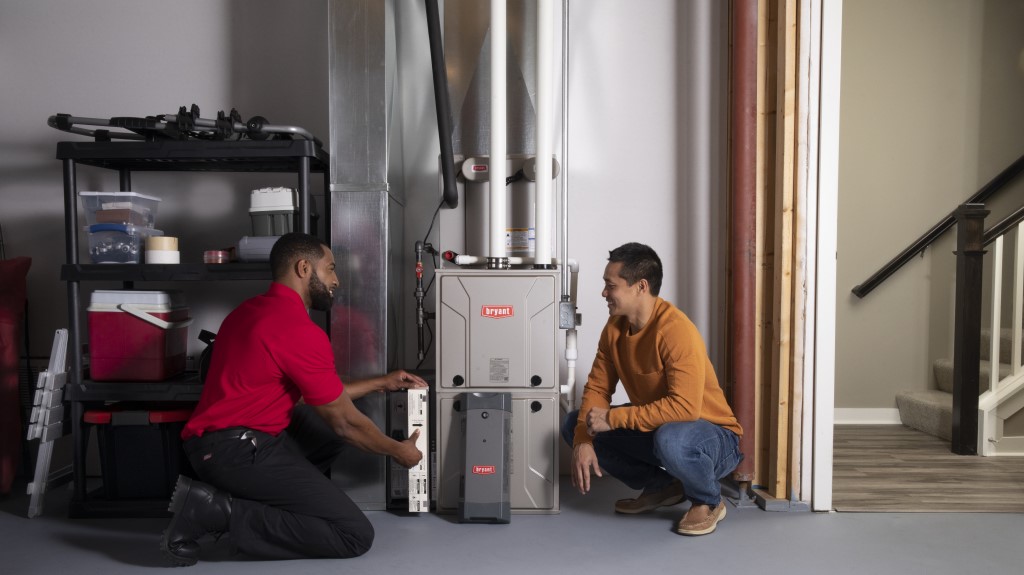
Getting your system ready for the harsh Ontario winter is critical for safety and warmth.
DIY Winter Steps
Change the Air Filter: This is the easiest and most important step. A clean filter allows your furnace fan to push warm air efficiently without overworking. For 1-inch filters, check them monthly during peak heating season.
Clear the Furnace Exhaust and Intake Vents: If you have a high-efficiency furnace, the outdoor plastic exhaust and intake pipes must be kept clear of snow and ice, especially after a snowfall, to prevent system shutdown or dangerous carbon monoxide buildup.
Reverse Ceiling Fans: Switch your ceiling fan direction to clockwise (a low speed is ideal). This pushes warm air that rises near the ceiling back down toward the living space, a process called destratification.
Check and Seal Ductwork: Inspect visible ductwork in your basement, attic, or crawlspace for disconnected segments or gaps. Seal any leaks with specialized metallic foil tape or duct sealant mastic.
Protect Outdoor AC/Heat Pump Unit:
Clear away all leaves and debris from around the unit.
For air conditioners (AC), shut off the power at the outdoor disconnect box and use a breathable, purpose-built AC cover to shield it from heavy snow and ice. Never use a plastic tarp, as this traps moisture and promotes rust/corrosion.
For heat pumps, do not cover the entire unit. Ensure at least two feet of clearance around the unit, and check often during snow events to prevent accumulation that blocks the coil.
Professional Winter Checks
Furnace Tune-Up: A licensed technician will inspect the heat exchanger for cracks, clean burners, check gas pressure, and test all safety controls.
Humidifier Check: If you have a whole-home humidifier, the technician will clean and prep it for the winter, which is essential for maintaining indoor air quality and comfort.
3. Summer Preparation Checklist: Surviving the Heatwave
Preparing your air conditioning or heat pump for a humid Ontario summer ensures you stay cool when the mercury spikes.
DIY Summer Steps
Clean the Area Around the Outdoor Unit (Condenser): Trim back shrubs, plants, and grass at least two feet away from the unit to ensure proper airflow for heat rejection. Remove any debris trapped in the fins.
Clean and Unblock Air Vents: Walk through your home and ensure all supply registers and return air grilles are open and not blocked by furniture, rugs, or curtains. Blocked vents significantly reduce airflow and efficiency, increasing the risk of the AC coil freezing.
Check Condensate Drain: On a mild day, run your AC. Check that water is draining properly from the condensate line (usually a white or clear plastic pipe near the indoor unit). A clog can lead to a water leak and system shutdown.
Test the Thermostat: Replace the batteries (if applicable) and confirm the thermostat correctly switches the system into cooling mode and turns on the fan.
Professional Summer Checks
AC/Heat Pump Tune-Up: A technician will clean the sensitive indoor evaporator and outdoor condenser coils, check the refrigerant levels (ensuring no costly leaks), measure system pressures, and test the vital electrical components, especially the capacitor, which is a frequent summer failure point.
4. Beyond the Unit: Sealing the Home Envelope
Your HVAC system for extreme weather performance is directly tied to your home’s insulation and air sealing. These steps reduce the stress on your equipment year-round.
Check Ductwork: Inspect visible ductwork in your attic and basement for leaks. Use UL-listed metallic foil tape or duct mastic (not standard duct tape) to seal any gaps, especially at joints and connections.
Seal Drafts: Use weatherstripping on windows and doors, and caulk around utility penetrations (cables, pipes) to prevent conditioned air from escaping and unconditioned air from leaking in.
Insulate Exposed Pipes: In unheated areas like crawl spaces, insulate exposed water pipes to prevent them from freezing during cold snaps.
5. The Importance of Professional Seasonal Ma
While the DIY checks help, a professional tune-up is indispensable for addressing the complex mechanical and electrical components. This seasonal maintenance is your best prevention against costly breakdowns during Ontario’s extreme weather.
| Professional Tune-Up Task | Winter (Furnace/Heat Pump) | Summer (AC/Heat Pump) |
| Safety Check | Test carbon monoxide levels, gas pressure, and heat exchanger integrity. | Test safety controls, electrical connections, and fan relays. |
| Component Health | Lubricate moving parts; test igniter and flame sensor. | Test capacitors (a common summer failure point) and compressor performance. |
| Efficiency Check | Clean burners; measure temperature rise. | Clean condenser/evaporator coils; check and correct refrigerant levels. |
| Airflow | Verify proper blower motor operation and system airflow. | Verify proper blower motor operation and system airflow. |

Ideal Heating: Your Partner in Year-Round Home Comfort
Ideal Heating understands the demands Ontario’s extreme weather places on your home and your budget. Our professional technicians are fully TSSA-certified and specialize in preparing, maintaining, and repairing every component of your HVAC system for extreme weather conditions.
By scheduling a comprehensive tune-up with Ideal Heating, you gain:
Peace of Mind: Confidence that your system is safe and ready for the deepest cold or hottest heat.
Maximized Efficiency: Restored peak performance to lower your monthly heating and cooling bills.
Priority Service: Preferred treatment and rapid response times for any unexpected issues.
Don’t let the weather dictate your comfort. Be proactive and secure your home’s most vital systems today.
With over 35 years of experience serving customers in the GTA and a 5-star rating on Google Reviews, we provide the ideal advice.