If your furnace or air conditioner still runs but needs frequent repairs, you may be wondering: Is HVAC replacement worth it, or should you keep fixing what you have? The answer isn’t always obvious, especially when upfront costs are weighed against long-term savings.
In this guide, we’ll break down when HVAC replacement makes financial sense, how energy savings and comfort improvements factor in, and what to consider beyond the initial price tag. Our goal is to help you understand the true long-term value of replacement so you can make a confident, informed decision—whether that means upgrading now or getting more life out of your current system.
- When HVAC Replacement Makes Financial Sense (and When It Doesn’t)
- Warning Signs That Repairs Are No Longer Cost-Effective
- Upfront Cost of HVAC Replacement: What Homeowners Should Expect
- Monthly Energy Savings: How New Systems Reduce Operating Costs
- Comfort Improvements Beyond Energy Savings
- System Lifespan and Long-Term Reliability
- Rebates, Incentives, and Eligibility Considerations
- How Ideal Heating and Air Conditioning Helps You Decide
- Is HVAC Replacement Worth It? A Simple Decision Framework
If you’d like personalized advice based on your home, repair history, and energy use, contact Ideal Heating and Air Conditioning for a free HVAC replacement assessment and cost comparison.
Key Takeaways
- Replacement isn’t always necessary. Older HVAC systems can still be cost-effective if repairs are minimal and energy efficiency is acceptable.
- Total cost of ownership matters: consider repair frequency, energy bills, and long-term maintenance when deciding between repair and replacement.
- Frequent repairs and rising energy costs are strong indicators that a system replacement may save money in the long run.
- Modern HVAC systems improve comfort through consistent temperatures, better airflow, humidity control, and quieter operation.
- System lifespan affects reliability: furnaces last 15–20 years, while air conditioners and heat pumps typically last 12–15 years.
- Rebates and incentives can offset upfront costs, making high-efficiency replacements more affordable.
- Ideal Heating provides expert guidance: personalized assessments help homeowners compare repair vs. replacement and calculate long-term value.
- A structured decision framework, considering age, repair frequency, energy bills, comfort, and rebate eligibility, can simplify the choice and ensure a financially smart investment.
Is HVAC Replacement Worth It?
1. When HVAC Replacement Makes Financial Sense (and When It Doesn’t)
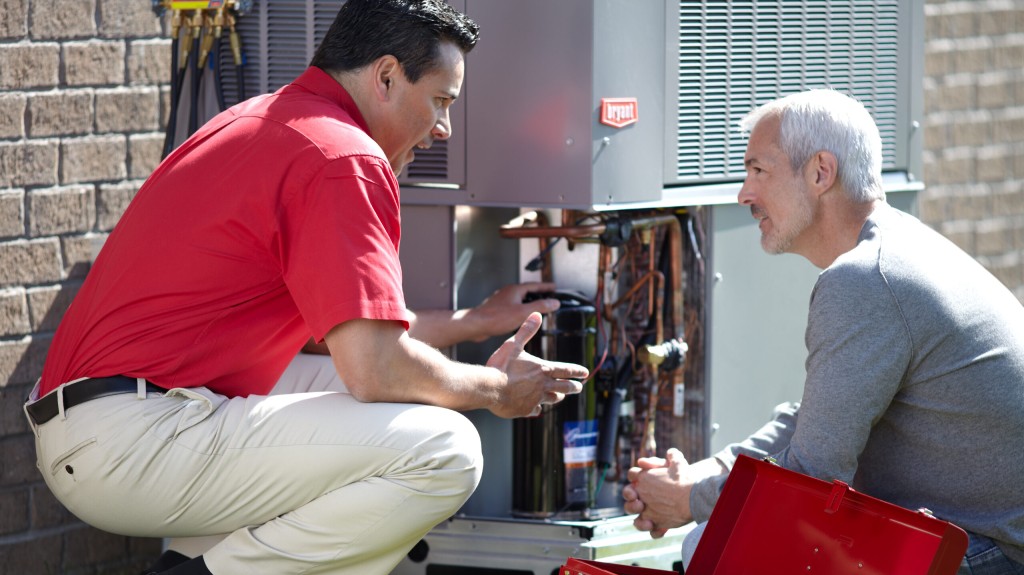
Deciding whether to repair or replace your HVAC system isn’t always straightforward. While a new system can offer long-term savings, improved comfort, and peace of mind, replacement isn’t always the right choice. To make an informed decision, it’s important to consider the total cost of ownership—including repair costs, energy bills, and potential system lifespan—rather than just focusing on short-term expenses.
When Repairs Are Still Reasonable
In some cases, continuing to repair your current HVAC system makes financial sense. If the system is relatively new, has not experienced frequent breakdowns, or repair costs are minimal, it may be more cost-effective to maintain it rather than replace it.
- If your system is under 10 years old and only requires occasional repairs, continuing with maintenance may save money.
- Minor repairs that cost less than a significant portion of a new system’s price can be a practical short-term solution.
- Your system still operates efficiently, keeping energy bills reasonable and comfort levels consistent.
- You don’t currently qualify for rebates or incentives that could offset replacement costs.
Even when repairs are manageable, it’s important to monitor costs and performance over time to ensure your system doesn’t become a financial burden.
When Replacement Becomes the Smarter Financial Choice
Replacement becomes the smarter option when ongoing repairs and inefficiencies start to outweigh the benefits of keeping your existing system. By looking at the total cost of ownership, you can see how investing in a modern, energy-efficient HVAC system can save money over time and improve home comfort.
- If your HVAC system requires multiple repairs each year, the cumulative costs may soon exceed the price of a new system.
- Older systems often lose efficiency, leading to higher monthly energy bills that a replacement could reduce significantly.
- Frequent breakdowns can cause discomfort, inconvenience, and unexpected expenses that a new system would eliminate.
- New systems may qualify for rebates, incentives, or energy-efficiency programs that reduce the effective upfront cost.
By weighing the long-term savings against the initial investment, many homeowners find that replacement is the more cost-effective choice in the long run.
2. Warning Signs That Repairs Are No Longer Cost-Effective
Even if your HVAC system is still running, certain warning signs indicate that continued repairs may no longer be the smartest financial choice. Paying attention to these signs can help you avoid unexpected breakdowns, rising energy bills, and costly emergency repairs.
Rising Repair Frequency
If your system is requiring service more often than before, it’s a clear indication that it may be nearing the end of its reliable life. Frequent repairs not only add up financially but also signal that the system’s components are wearing out.
- If you’ve needed more than one major repair in the past year, your system is likely becoming unreliable.
- Replacing a single failing component only to have another fail soon after is a sign that the overall system is deteriorating.
- Annual repair costs that approach a significant percentage of the cost of a new system indicate that replacement could be a better investment.
Monitoring repair frequency helps you understand when the cost and inconvenience of ongoing maintenance outweigh the benefits of keeping your current system.
Declining System Efficiency
Over time, even well-maintained HVAC systems lose efficiency. An older system may have to work harder to maintain comfort, which drives up energy bills and reduces the return on your monthly utility spend.
- If your heating or cooling bills have steadily increased without a change in usage habits, your system may be losing efficiency.
- Older systems often operate with outdated SEER (cooling) or AFUE (heating) ratings compared to modern, energy-efficient models.
- Systems that run longer to reach the same temperature are consuming more energy and costing more over time.
Understanding efficiency loss helps you see the hidden costs of keeping an aging system and the potential savings a replacement can bring.
Age of the System
The age of your HVAC system is one of the most reliable indicators of when replacement may make sense. Most systems have a finite lifespan, after which repairs become frequent and reliability declines.
- Furnaces typically last 15–20 years, while air conditioners and heat pumps often last 12–15 years.
- Systems beyond their typical lifespan are more prone to unexpected failures and costly repairs.
- Older systems are less likely to qualify for rebates or energy-efficiency incentives, which can make replacement more financially attractive.
By paying attention to these signs: repair frequency, efficiency, and system age, you can make a well-informed decision about whether replacement is a better long-term investment than continued repairs.
3. Upfront Cost of HVAC Replacement: What Homeowners Should Expect
When considering HVAC replacement, the upfront cost is an important factor, but it’s influenced by a variety of elements that can vary from home to home. Instead of focusing on exact numbers, it’s more useful to understand what drives the cost and why some systems are more expensive to install than others.
Factors That Affect HVAC Replacement Costs
Several key factors determine the overall cost of a replacement system:
Type of System:
Furnaces, air conditioners, heat pumps, or full system replacements differ in complexity. Heat pumps that provide both heating and cooling are generally more involved than a single-purpose furnace or AC.
Efficiency Level:
High-efficiency or multi-stage systems cost more upfront but offer long-term energy savings and improved comfort. Standard-efficiency units are less expensive to install but may have higher operating costs.
Home Size and Layout:
Larger homes require bigger or multiple units, more ductwork, or additional zoning, all of which increase installation complexity.
Installation Complexity:
Homes with older ductwork, difficult access points, or electrical upgrades require additional labour, which can increase the cost.
Equipment Features:
Modern HVAC systems with advanced controls, variable-speed motors, or smart-home integration typically have higher installation costs but provide improved comfort and energy efficiency.
Replacement Scope:
Replacing both heating and cooling at the same time is generally more expensive than replacing a single system, but can be more efficient in the long run.
Evaluating Cost in Context
Instead of focusing on the sticker price, consider how these factors affect the long-term value of your investment:
- A high-efficiency system may cost more upfront but save money on monthly energy bills.
- Proper installation ensures longevity, fewer repairs, and consistent comfort.
- Consulting with a professional can help you weigh installation complexity, system type, and potential incentives to determine the right solution for your home.
By understanding the factors that influence cost, you can make a smarter, more informed decision, choosing a system that balances performance, efficiency, and long-term value without getting caught up in fluctuating prices.
4. Monthly Energy Savings: How New Systems Reduce Operating Costs

One of the most compelling reasons to consider HVAC replacement is the potential for significant energy savings. Older systems often operate with lower efficiency, meaning they consume more energy to heat or cool your home. By upgrading to a modern, high-efficiency system, you can reduce monthly utility bills while improving comfort.
How New Systems Improve Efficiency
Modern HVAC systems are designed to operate more efficiently than older models, which helps save money over time.
- High-efficiency furnaces, air conditioners, and heat pumps use less energy to maintain the same level of comfort.
- Variable-speed or multi-stage systems adjust output based on demand, reducing energy waste.
- Properly installed new systems minimize heat loss or gain through ductwork, further lowering energy bills.
Real-World Savings Examples
The amount you can save depends on your current system, home size, and usage habits, but the difference can be substantial:
- Replacing a 15-year-old air conditioner with a modern high-efficiency model can reduce cooling costs by 20–40%.
- Upgrading an older furnace can cut heating bills by 15–30%, depending on fuel type and efficiency rating.
Homes with both heating and cooling systems replaced often see combined annual energy savings of hundreds of dollars, sometimes offsetting a portion of the upfront cost within a few years.
Personalized Savings Estimates
Energy savings aren’t the same for every home. Ideal Heating and Air Conditioning helps you calculate real-world savings by analyzing past energy bills, system efficiency, and usage patterns. This approach ensures you understand the true long-term value of replacement, not just manufacturer claims.
By factoring in these energy savings, you can see how a new HVAC system can pay for itself over time, making replacement not just a comfort upgrade, but a financially smart decision.
5. Comfort Improvements Beyond Energy Savings

While energy savings are an important factor in deciding whether to replace your HVAC system, comfort improvements often make the biggest day-to-day difference. Modern systems do more than just reduce bills; they provide consistent temperatures, better air quality, and a more pleasant home environment.
Consistent Temperature Control
Older HVAC systems can struggle to maintain even temperatures throughout your home. New systems improve comfort by:
- Delivering more consistent heating and cooling, eliminating hot or cold spots in different rooms.
- Using variable-speed or multi-stage technology to adjust output gradually, preventing sudden temperature swings.
- Responding more quickly to thermostat changes, keeping your home at the desired temperature with minimal delay.
Improved Air Quality and Humidity Control
A new system can also enhance indoor air quality, which contributes to healthier and more comfortable living spaces:
- Modern systems work with advanced filtration to remove dust, allergens, and other airborne particles.
- Humidity control features prevent your home from feeling too dry in winter or too humid in summer.
- Balanced airflow ensures that conditioned air reaches every room efficiently, improving overall comfort.
Quieter Operation
Older systems often become noisier over time due to wear and outdated technology. Replacement systems are designed for quiet operation:
- Fans, compressors, and motors in new units run more smoothly and quietly.
- Variable-speed equipment adjusts gradually, reducing sudden loud bursts of noise.
- Reduced noise improves your overall home environment, especially in bedrooms or living areas.
Why Comfort Matters
While energy savings are measurable in dollars, comfort improvements impact your quality of life every day. A modern HVAC system doesn’t just heat or cool your home; it creates a consistently pleasant, healthy, and quiet living environment.
6. System Lifespan and Long-Term Reliability
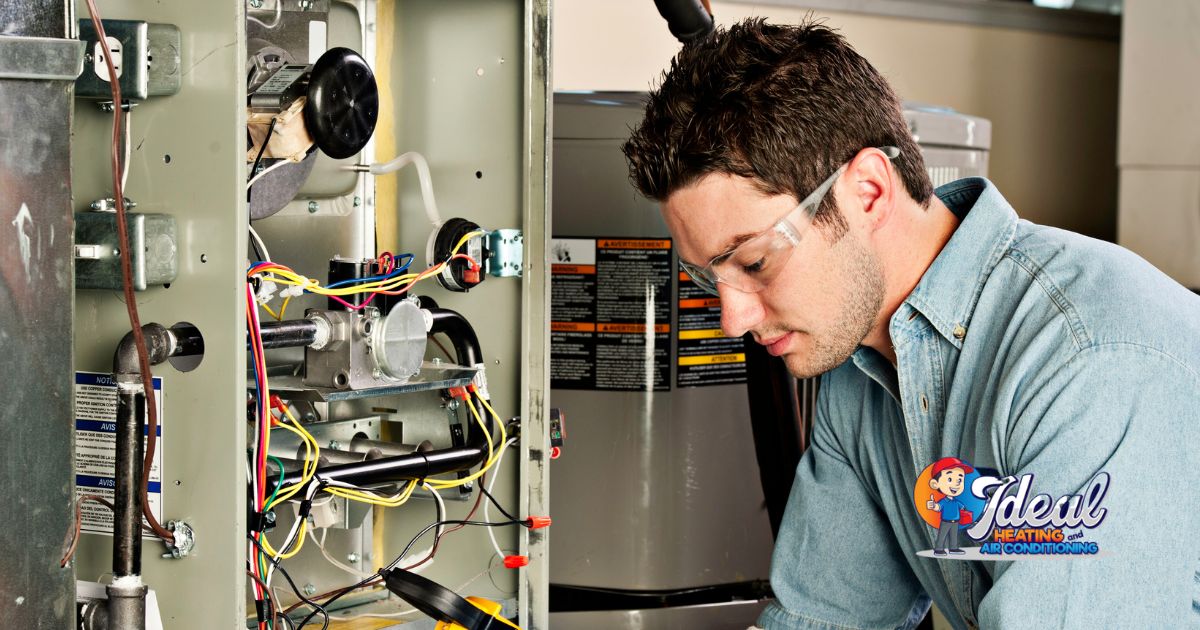
When evaluating whether HVAC replacement is worth it, it’s important to consider system lifespan and reliability. Even a well-maintained older system will eventually reach a point where repairs become frequent, efficiency declines, and unexpected breakdowns become more likely. A new system provides not only longer-lasting performance but also peace of mind.
Expected Lifespan of Modern HVAC Systems
Knowing the typical lifespan of different systems can help you plan for replacement at the right time:
- Furnaces: Generally last 15–20 years with proper maintenance.
- Air conditioners and heat pumps: Typically last 12–15 years, depending on usage and climate.
- High-efficiency or properly installed systems Can sometimes extend beyond these ranges with regular servicing.
Reduced Risk of Unexpected Breakdowns
Older systems are more prone to sudden failures, which can be costly and inconvenient:
- Components wear out over time, leading to frequent repairs or emergency service calls.
- Breakdowns during extreme weather like summer heat waves or winter cold snaps can be especially disruptive.
- A replacement system provides reliability and consistency, giving you peace of mind.
Cost Predictability Over Time
A new HVAC system allows for better budgeting and financial planning:
- Maintenance costs are lower during the first several years after installation.
- Energy-efficient systems reduce monthly utility bills, making ongoing costs more predictable.
- Avoiding unexpected repair expenses helps you plan for other priorities without financial stress.
By investing in a new system, you not only extend the life of your heating and cooling solution but also reduce the uncertainty and expense associated with an aging system. This long-term reliability is a major factor in the overall value of HVAC replacement.
7. Rebates, Incentives, and Eligibility Considerations

Replacing your HVAC system can involve a significant upfront investment, but rebates and incentives can help offset the cost and make replacement more financially attractive. Understanding what programs are available and whether your home qualifies can be an important part of deciding if HVAC replacement is worth it.
Common Rebate and Incentive Programs
Several programs are designed to encourage you to upgrade to more energy-efficient heating and cooling systems:
- Utility or energy company rebates: Many Canadian energy providers offer incentives for high-efficiency furnaces, air conditioners, or heat pumps.
- Government energy-efficiency programs: Federal or provincial programs may provide rebates or tax credits for upgrading to ENERGY STAR® certified equipment.
- Manufacturer promotions: Certain HVAC brands offer limited-time rebates or financing incentives when purchasing qualifying systems.
Why Eligibility Matters
Not all homeowners qualify for rebates, and older systems often miss out on these programs:
- Replacement systems must typically meet minimum efficiency requirements to qualify for incentives.
- Existing systems beyond a certain age or type may be ineligible, meaning delaying replacement can reduce savings opportunities.
- Rebates can sometimes cover a substantial portion of the upfront cost, making modern, high-efficiency systems more accessible.
How Ideal Helps Homeowners Maximize Savings
Ideal Heating and Air Conditioning works with homeowners to identify available programs and determine eligibility:
- We evaluate your current system, home energy usage, and local rebate programs.
- We provide guidance on which incentives apply and how to claim them.
By factoring rebates into the total cost of replacement, homeowners can make a more accurate long-term financial comparison between repair and replacement.
Considering rebates and incentives ensures that you don’t leave money on the table and can make HVAC replacement a smarter, more cost-effective investment.
8. How Ideal Heating and Air Conditioning Helps You Decide


Deciding whether to repair or replace your HVAC system can feel overwhelming. That’s why Ideal Heating and Air Conditioning focuses on consulting with you rather than just selling equipment. Our goal is to help you make a well-informed, financially sound decision based on your home, system, and long-term comfort goals.
What a Replacement Assessment Includes
When you schedule a replacement assessment with Ideal, we provide a comprehensive evaluation that goes beyond just quoting a new system:
- We review your system’s repair history and age to identify patterns that indicate replacement may be more cost-effective.
- We analyze your energy bills and current system efficiency to estimate potential savings from a new, high-efficiency unit.
- We provide a cost comparison of repair versus replacement, including upfront costs, long-term energy savings, and maintenance considerations.
- We discuss comfort and performance goals, ensuring any recommendation fits your family’s needs and lifestyle.
A Transparent, No-Pressure Approach
Ideal Heating and Air Conditioning prides itself on being a trusted advisor:
- We explain all options clearly, helping you understand the short-term and long-term implications of each choice.
- Our recommendations are based on your unique situation, not sales targets.
- By providing detailed analysis and clear comparisons, we empower you to make a confident, informed decision.
By working with Ideal, you gain clarity, confidence, and peace of mind, knowing you are making the choice that is financially and practically right for your home.
Take the Next Step with Ideal Heating and Air Conditioning
If you’re unsure whether replacement is right for your home, contact Ideal Heating and Air Conditioning for a free HVAC replacement assessment. Our experts will review your system, analyze potential energy savings, and provide a clear cost comparison between repair and replacement, helping you make a confident, informed decision that fits your budget and lifestyle.