If you’ve noticed your electricity bill suddenly climbing higher than normal, it can be frustrating — and confusing — to pinpoint the cause. Unlike gas bills, which often spike during colder months, electricity usage can increase for a wide range of reasons throughout the year, many of which aren’t immediately obvious to homeowners.
In this article, Ideal Heating and Air Conditioning takes a closer look at why electricity bills can rise unexpectedly. We’ll explore common functionality issues within the home, hardware-related problems with heating and cooling equipment, practical energy-saving tips, and clear signs that it may be time to bring in a professional.
- Functionality Issues
- The Effects of Weather and Time on Your Gas Bill
- Proactive and Reactive Fixes
- When to Replace Your Gas System
Understanding what’s driving higher electricity use is the first step toward regaining control over your energy costs and improving your home’s efficiency.
Key Takeaways
- Increased electrical bills can be caused by outdated equipment, or heating/cooling equipment that’s not well-suited for the size or shape of your house, and can be exacerbated by poor insulation or inefficient usage habits.
- Using smart or timed devices, replacing filters, and performing basic system maintenance can moderate how much you’re spending on electricity.
- Inconsistency in set temperatures, steadily increasing electrical bills, or obvious damage are all signs that your system might need to be replaced.

Why Is My Electricity Bill Suddenly Much Higher Than Normal?
1. Functionality Issues
In many cases, a higher electricity bill isn’t caused by a failing appliance, but by how well your home functions as a system. Problems with airflow, insulation, controls, or everyday usage patterns can quietly force electrical equipment to work harder than necessary, increasing energy consumption without an obvious warning sign.
(A) Poor Airflow and Restricted Venting
Proper airflow is essential for efficient heating and cooling. Blocked or closed vents, dirty air filters, or undersized ductwork can restrict airflow, forcing fans and blowers to run longer and draw more electricity to maintain comfort. When air can’t move freely through the system, efficiency drops and electrical usage rises.
(B) Inadequate Insulation and Air Leaks
If your home struggles to retain conditioned air, your electrical systems must work overtime. Insufficient insulation in walls, attics, or basements allows heat to enter during summer and escape during winter. Air leaks around windows, doors, and electrical penetrations can further compound the problem, causing cooling or heating systems to cycle more frequently and consume more electricity.
(C) Faulty or Poorly Placed Thermostats
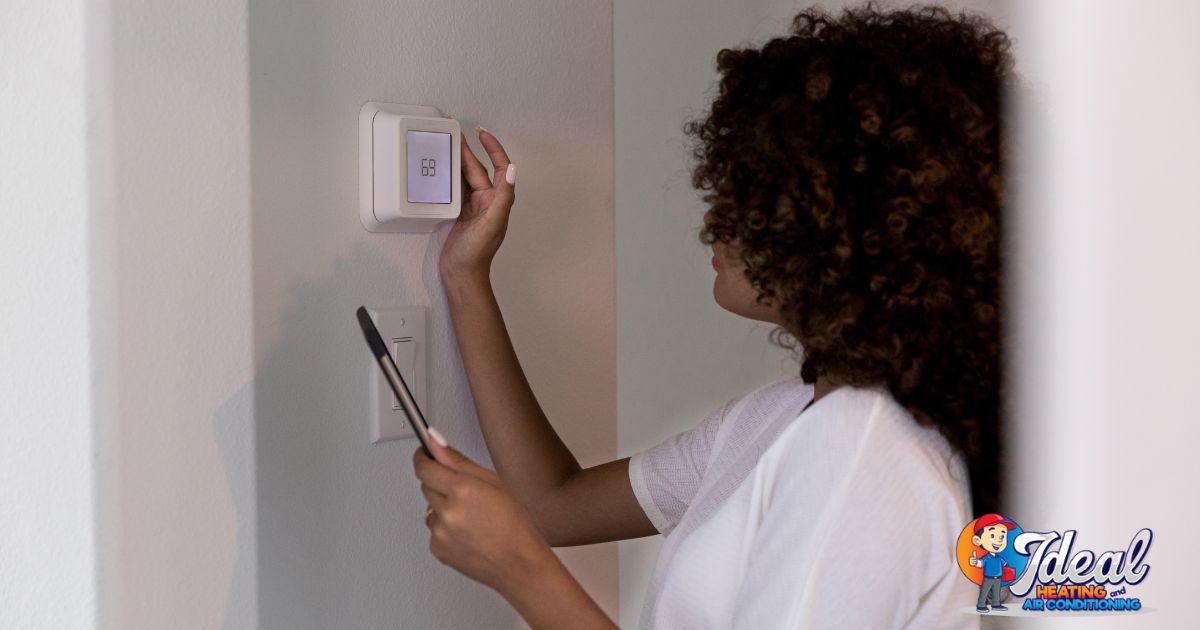
Thermostats act as the control center for your home’s energy use. If a thermostat is malfunctioning, poorly calibrated, or installed in an area exposed to direct sunlight or drafts, it may misread indoor temperatures. This can cause your system to run longer than needed, increasing electricity usage without improving comfort.
(D) Inefficient Usage Habits
Everyday habits can also play a role in higher electricity bills. Leaving lights, electronics, or fans running when not in use, frequently adjusting thermostat settings, or running multiple high-draw appliances at once can increase overall electrical demand. These changes often go unnoticed but can have a cumulative effect on your monthly bill.
(E) Home Layout and Heat Distribution Issues
Uneven temperature distribution throughout the home can cause certain areas to feel uncomfortable, leading homeowners to compensate by lowering or raising thermostat settings. Poorly balanced airflow, multi-level layouts, or rooms with large windows can all contribute to this issue, increasing system runtime and electrical consumption.
Addressing these functionality-related issues can often lead to meaningful energy savings without replacing major equipment. In the next section, we’ll look at hardware-related problems that can also drive up electricity costs — even when everything appears to be working normally.
2. Hardware Issues
When electricity bills rise unexpectedly, the cause is often tied directly to the performance or condition of your home’s equipment. Even if systems are still running, hidden hardware issues can dramatically increase electrical consumption by forcing appliances to work harder, longer, or less efficiently than they should.
(A) Aging or Failing HVAC Equipment
As air conditioners, heat pumps, and air handlers age, their efficiency naturally declines. Motors wear down, electrical components degrade, and internal resistance increases. An older system may still heat or cool your home, but it often requires significantly more electricity to do so. If your system is approaching or past its expected lifespan, rising power bills can be one of the earliest warning signs.
(B) Incorrectly Sized Systems
An HVAC system that is too small for your home will run almost constantly as it struggles to meet demand, driving up electricity usage. On the other hand, an oversized system can short-cycle — turning on and off frequently — which wastes energy and puts additional strain on electrical components. Proper sizing is critical for efficient operation and consistent comfort.
(C) Heat Pump or AC Performance Issues
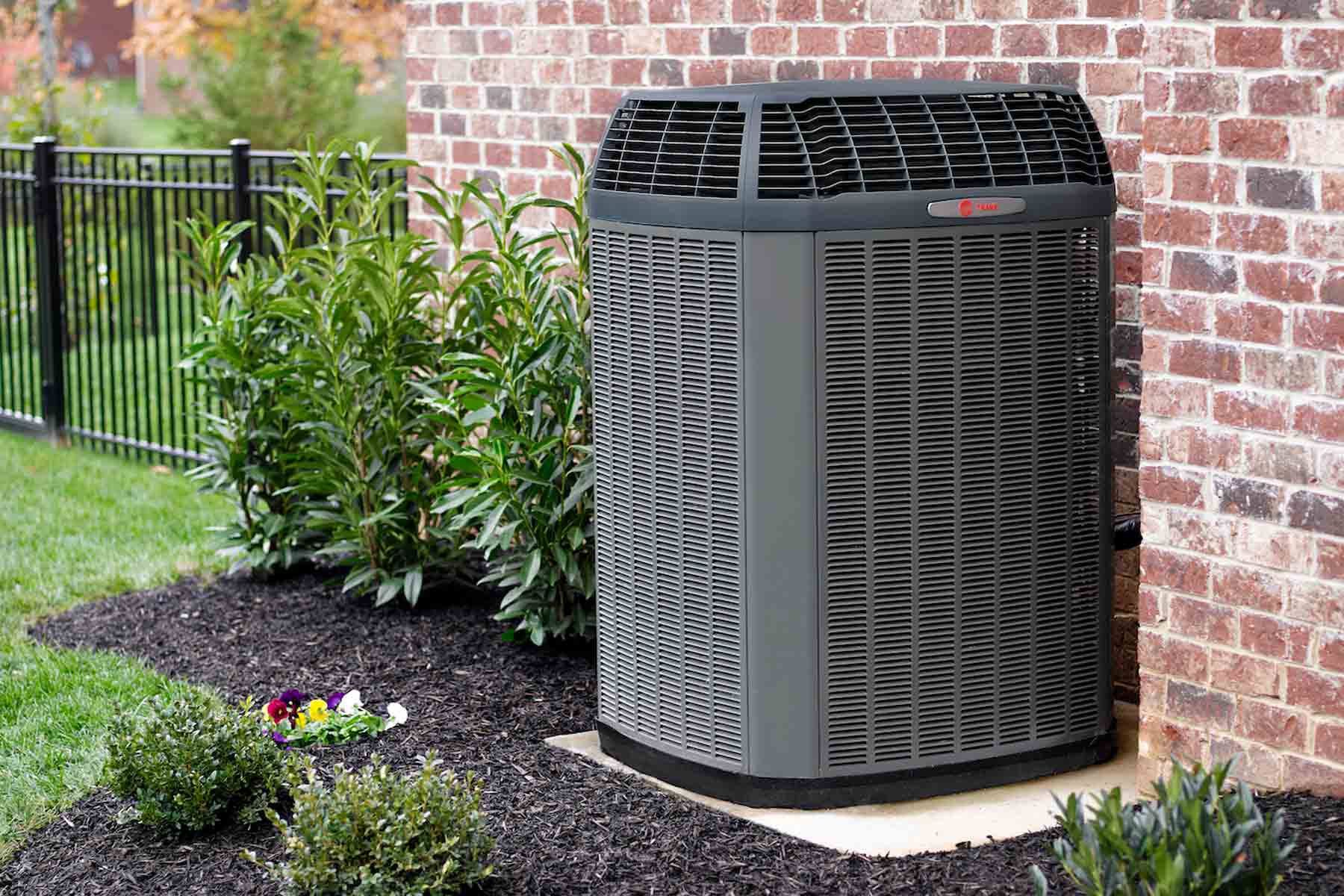
Specific component problems within heat pumps and air conditioners can lead to higher electrical consumption. Low refrigerant levels, dirty coils, failing capacitors, or worn compressor parts can all reduce system efficiency. When performance drops, the system compensates by running longer cycles, increasing your electricity bill without necessarily improving indoor comfort.
(D) High-Draw Appliances and Electrical Loads
Beyond heating and cooling, certain appliances can significantly affect your electricity usage. Older refrigerators, freezers, water heaters, dehumidifiers, or pool equipment may consume far more power than modern, energy-efficient models. If one of these appliances is malfunctioning or running continuously, it can quietly drive up your monthly bill.
(E) Standby Power and Electrical Faults
Faulty wiring, failing breakers, or appliances drawing power even when not in active use can also contribute to higher electricity costs. Devices with standby modes, outdated electronics, or damaged electrical components may continuously draw power in the background, increasing overall consumption without clear signs of a problem.
Hardware-related issues often worsen over time if left unaddressed, leading to higher costs and a greater risk of system failure. In the next section, we’ll share practical energy-saving tips homeowners can use to reduce electricity usage and prevent future bill spikes.
3. Energy Saving Tips
If your electricity bill has jumped unexpectedly, there are several practical steps you can take right away to reduce usage. While these may not fix underlying system issues, they can help lower costs in the short term and improve overall efficiency.
Simple adjustments homeowners can make include:
Adjust thermostat settings by a few degrees and avoid frequent manual changes. Even small adjustments can noticeably reduce electrical usage.
Use programmable or smart thermostat schedules to limit heating and cooling when the home is unoccupied.
Replace or clean air filters regularly to improve airflow and reduce strain on electrical components.
Turn off unused electronics and lighting, and unplug devices that draw standby power.
Use ceiling fans strategically to improve air circulation, allowing your HVAC system to run less frequently.
Close blinds or curtains during hot days and open them during cooler periods to manage indoor temperatures naturally.
Run high-energy appliances during off-peak hours, when possible, to reduce strain on your electrical system.
Temporary solutions during high-bill periods:
Limit use of supplemental electric heaters or dehumidifiers.
Seal obvious air leaks with temporary weather stripping or draft blockers.
Focus cooling or heating on occupied areas rather than the entire home.
These small, manageable changes can help bring electricity costs down while you evaluate longer-term solutions. In the next section, we’ll cover when rising energy bills signal a larger issue — and when it’s time to book a professional consultation.
4. When to Book a Pro Consultation
While small efficiency issues can often be managed with simple adjustments, there comes a point when rising electricity bills signal a deeper problem. Ignoring these warning signs can allow minor issues to snowball into major repairs, reduced comfort, or complete system failure.
You may want to book a professional consultation if you notice:
-
Electricity bills are increasing month over month with no clear change in usage
-
Heating or cooling systems are running constantly but failing to maintain comfort
-
Uneven temperatures, excessive humidity, or poor airflow throughout the home
-
Frequent system cycling, unusual noises, or unexplained shutdowns
-
Equipment that requires repeated repairs or is nearing the end of its expected lifespan
Small problems — such as restricted airflow, low refrigerant, or faulty controls — can force electrical components to work harder, accelerating wear and driving up energy consumption. Over time, this added strain can lead to more expensive failures or shorten the overall life of your system.
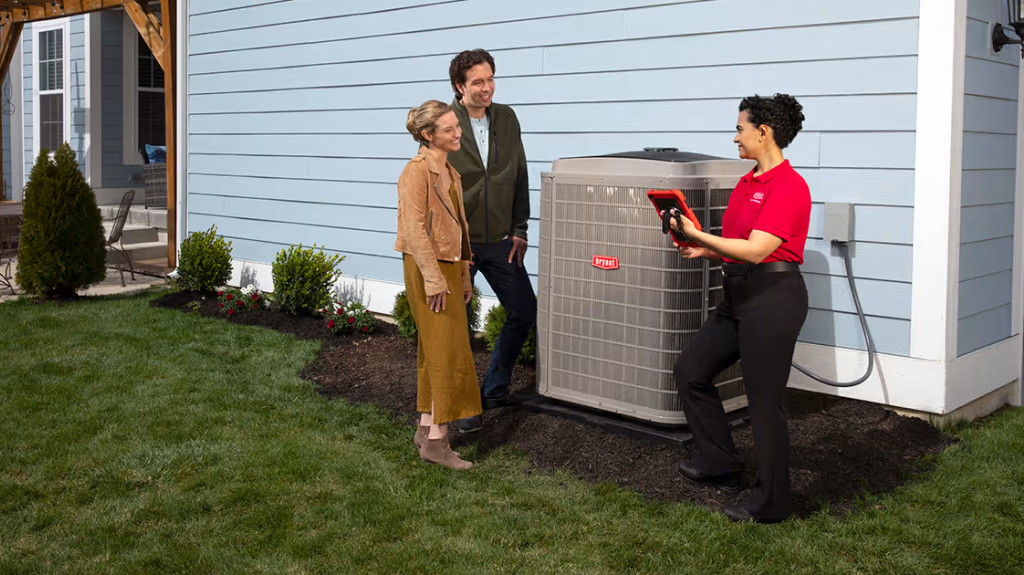
A professional HVAC assessment helps identify whether issues can be resolved with maintenance and adjustments, or if replacement is the more cost-effective option. In some cases, upgrading to a properly sized, high-efficiency system can significantly reduce electricity usage while improving comfort and reliability.
If you’re unsure what’s causing higher energy bills, a consultation with Ideal Heating and Air Conditioning provides clarity and peace of mind. Early intervention can prevent minor inefficiencies from turning into major expenses — and help ensure your home stays comfortable and energy-efficient year-round.
Take the First Step Toward Consistent Comfort
Uneven heating or cooling can make your home uncomfortable, increase energy costs, and put extra strain on your HVAC system. By understanding the common causes, recognizing the signs, and taking simple steps at home, you can improve comfort in the short term.
For long-term solutions, a professional HVAC assessment is the most effective way to identify the root cause of hot and cold spots and restore balanced temperatures throughout your home.


Contact Ideal Heating & Air Conditioning today to schedule an inspection and ensure your home stays comfortable, energy-efficient, and evenly heated or cooled all year round.