A reliable water heater is essential for everyday comfort, from hot showers to washing dishes, yet many homeowners don’t realize their unit is failing until it causes a major problem. Ignoring early warning signs can lead to leaks, water damage, or complete system failure, often at a high cost. The good news is that most water heater issues give subtle clues before they become emergencies, whether you have a tank, tankless, gas, or electric system. By knowing what to look for, you can take action early and avoid costly repairs.
- Why Early Detection Matters
- Common Warning Signs Your Water Heater Is Failing
- Practical Tips for Inspecting Your Water Heater
- When to Call a Professional
- Frequently Asked Questions About Water Heater Failure
If you notice any signs that your water heater may be failing, contact the experts at Ideal Heating today to schedule a professional inspection.
Key Takeaways
- Catching water heater issues early can prevent costly damage and emergency replacements.
- Common signs your water heater is failing include leaks, strange noises, inconsistent heating, pilot light problems, and rusty water.
- Tank, tankless, gas, and electric water heaters each have unique warning signs to watch for.
- Simple inspections like checking for leaks, listening for unusual sounds, and monitoring water temperature can help identify problems early.
- Safety features such as pressure relief valves, thermostats, and pilot lights should be regularly checked.
- Call a professional when you notice persistent leaks, electrical or gas issues, or any problem you cannot safely fix yourself.
- Ideal Heating offers water heater inspections, repairs, and replacements, as well as a full range of home comfort services, including HVAC, duct cleaning, humidifiers, air purifiers, and in-floor heating.
Water Heater Is Failing
1. Why Early Detection Matters
The following bar chart shows the potential consequences of ignoring warning signs (Leaks, Inefficient Heating, System Failure, Safety Risks).
Catching problems with your water heater early can save you from costly repairs, inconvenient emergencies, and even safety hazards. Recognizing the warning signs before they escalate allows you to address small issues quickly, often avoiding major damage or a full replacement.
Prevent Costly Damage
Ignoring early warning signs can quickly turn a minor issue into a serious problem. Some of the risks include:
- Leaks that may cause water damage to floors, walls, or ceilings.
- Rust and corrosion can weaken the tank and lead to costly replacement.
- Inefficient heating that increases your energy bills and reduces comfort.
- Complete system failure, leaving you without hot water when you need it most.
By addressing these issues early, you can often fix them before they become expensive emergencies.
Protect Your Safety
A failing water heater can pose safety risks if left unchecked. Watch for signs that could indicate danger, such as:
- Gas leaks from a malfunctioning gas water heater, which can be hazardous or even life-threatening.
- Scalding water caused by faulty temperature controls or sediment buildup.
- Electrical hazards from tripped breakers or damaged wiring in electric water heaters.
Early detection allows you to prevent these hazards and ensure your home remains safe for everyone.
Small Problems Are Easier to Fix
The good news is that many water heater issues are minor and easily resolved if caught in time.
- Sediment buildup can often be flushed out with routine maintenance.
- Small leaks or corroded components can be repaired before they damage your home.
- Pilot light or thermostat issues can usually be corrected by a professional without replacing the entire unit.
By staying proactive, you can extend the life of your water heater and maintain reliable hot water without the stress of a sudden breakdown.
2. Common Warning Signs Your Water Heater Is Failing
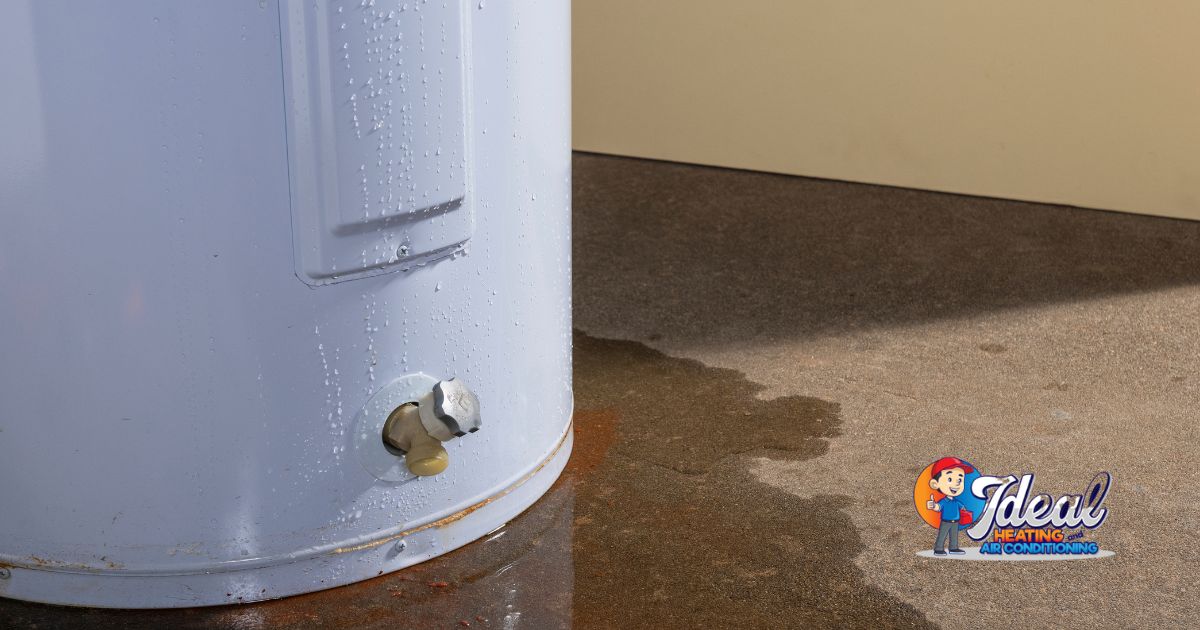
Water heaters give subtle clues before a complete breakdown occurs. By recognizing these signs early, you can take action before minor problems become major emergencies. The warning signs can vary depending on the type of water heater you have: tank, tankless, gas, or electric.
Tank Water Heaters
Tank water heaters store hot water in a reservoir and are common in many homes. Watch for these signs:
- Leaks or pooling water around the base of the tank indicate potential corrosion or seal failure.
- Rusty or discolored water can signal corrosion inside the tank that may lead to leaks.
- Strange noises, such as popping or rumbling, often result from sediment buildup at the bottom of the tank.
- Inconsistent heating or running out of hot water too quickly may indicate a failing heating element or sediment accumulation.
- Pilot light issues, like flickering or failing to stay lit, are a warning that gas models may need professional attention.
Tankless Water Heaters
Tankless units heat water on demand, offering energy efficiency and endless hot water, but they have their own warning signs:
- Fluctuating water temperature despite adjusting the settings can indicate a malfunctioning heating element or flow sensor.
- Reduced water flow or slow heating may signal sediment buildup or a partially blocked unit.
- Error codes or warning lights on the unit often indicate a problem that requires professional inspection.
- Unusual noises or strange odours during operation may point to internal issues.
Electric Water Heaters
Electric water heaters rely on heating elements and electrical components, which can fail over time. Watch for:
- No hot water or insufficient heating, which may mean a broken heating element.
- Buzzing or humming noises coming from the unit, which can indicate electrical issues.
- Tripping circuit breakers or other electrical problems that require immediate attention.
Gas Water Heaters
Gas water heaters have unique signs that should never be ignored:
- The pilot light won’t stay lit, or the flame appears yellow instead of blue, signalling potential gas or combustion issues.
- Gas smells around the unit indicate a leak and require immediate professional attention.
- Inconsistent heating or long recovery times may mean the burner or gas supply is malfunctioning.
By familiarizing yourself with these warning signs, you can catch problems before they cause costly damage or leave you without hot water. Early action often means a simple repair rather than a full replacement.
Common Warning Signs by Water Heater Type
The following table gives you a quick overview of the warning signs for different water heater types (Tank, Tankless, Electric, Gas).
| Water Heater Type | Common Warning Signs |
|---|---|
| Tank | Leaks, rusty water, popping noises, inconsistent heating, pilot light issues |
| Tankless | Fluctuating water temperature, reduced flow, error codes, unusual noises or odors |
| Electric | No hot water, buzzing or humming noises, tripped breakers |
| Gas | Pilot light won't stay lit, yellow flame, gas smells, inconsistent heating |
3. Practical Tips for Inspecting Your Water Heater
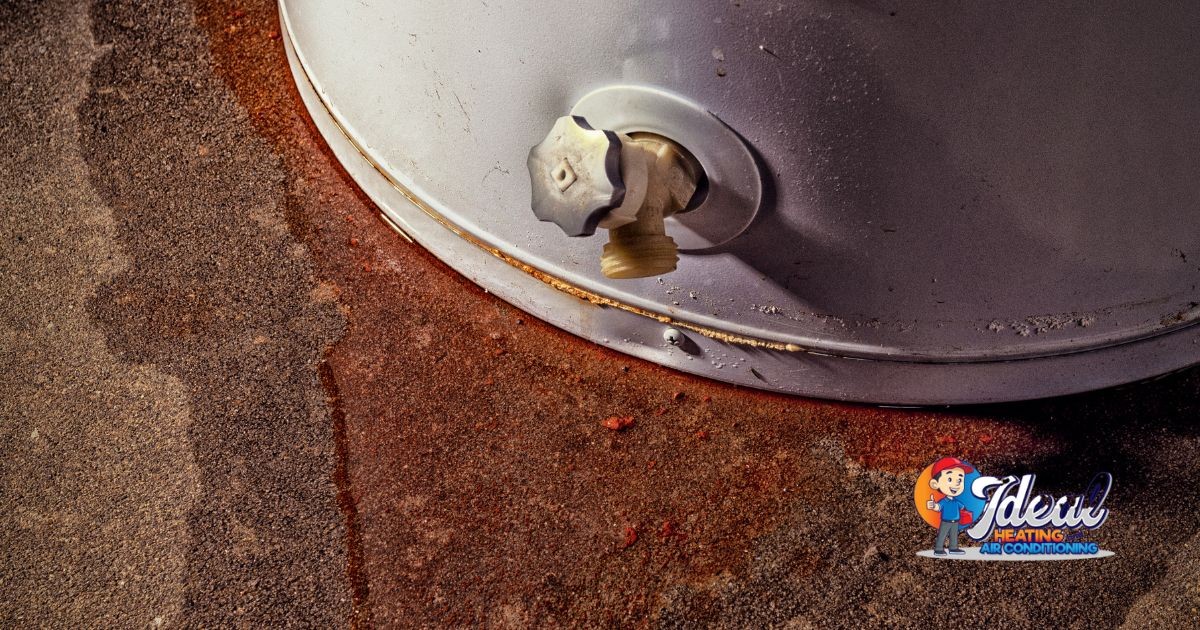
Regular inspections can help you catch small problems before they become major issues. You don’t need to be an expert. Many checks are simple, safe, and quick. Here are practical ways to inspect your water heater at home, along with guidance on when to call a professional.
Tip #1: Look for Leaks and Corrosion
Start with a visual inspection of your water heater:
- Check around the base of the tank for puddles or damp spots, which could indicate leaks.
- Examine pipes and fittings for rust or corrosion that may weaken the system over time.
- Inspect the outside of a tankless unit for water stains or mineral buildup near connections.
Noticing leaks or corrosion early allows you to address them before they damage floors, walls, or ceilings.
Tip #2: Listen for Strange Noises
Unusual sounds can be an early warning of trouble:
- Popping or rumbling noises in tank water heaters often mean sediment buildup.
- Buzzing or humming in electric units may indicate electrical issues or failing components.
- Any persistent noise that seems abnormal should be checked by a professional.
A quick listen can help you catch minor problems before they escalate.
Tip #3: Check Water Quality and Temperature
The water itself can provide clues about your heater’s health:
- Rusty or discoloured water may signal corrosion inside a tank.
- Water that is too hot, too cold, or inconsistent in temperature can indicate failing heating elements or thermostat issues.
- Reduced water flow or delayed heating may suggest a partially blocked tankless unit.
Testing water temperature and quality regularly ensures you detect problems early.
Tip #4: Inspect Safety Features
Make sure your water heater’s safety components are functioning properly:
- Test the pressure relief valve to ensure it opens and closes correctly.
- Ensure thermostats and temperature controls are set safely to prevent scalding.
- For gas units, verify that the pilot light burns blue and there are no unusual odours.
Working safety features protect your home and your family from hazards.
Tip #5: Keep Maintenance Logs
Documenting inspections and service history can help catch patterns and prevent major failures:
- Note any leaks, noises, or temperature inconsistencies.
- Record professional maintenance visits, flushes, or repairs.
- Track the age of your water heater to anticipate when replacement may be needed.
- A simple log helps you stay proactive and can save money in the long run.
By following these inspection tips, you can catch issues early and often solve minor problems before they become emergencies. When in doubt, or if you notice anything unusual, contact a licensed professional for a thorough evaluation.
Inspection Checklist / DIY vs Professional Tasks
The following table shows what homeowners can do vs. when to call a professional.
| DIY Inspections / Maintenance | Call a Professional |
|---|---|
| Check for leaks around the base | Persistent leaks or rust inside the tank |
| Listen for strange noises | Pilot light issues or gas odors |
| Check water temperature and flow | Electrical problems like tripped breakers |
| Test pressure relief valve | Error codes on tankless units |
| Flush sediment from tank water heaters | Complete unit malfunction or replacement needs |
4. When to Call a Professional
While some water heater maintenance and minor checks can be done safely at home, certain issues require the expertise of a licensed technician. Knowing when to call a professional can prevent costly damage, protect your safety, and ensure your water heater continues to run efficiently.
Call a Professional If You Notice:
- Persistent leaks or pooling water that continue after minor adjustments.
- Rust or corrosion inside the tank that could weaken the structure.
- Pilot light problems, gas odours, or any issues with gas connections.
- Electrical problems such as tripped breakers, buzzing, or burnt smells.
- Strange noises or error codes on a tankless unit that cannot be resolved with simple maintenance.
- Inconsistent or insufficient hot water despite routine checks and minor fixes.
Why Professional Intervention Matters
- Technicians can identify hidden problems that are easy to miss during home inspections.
- Early professional repairs often prevent the need for a full water heater replacement.
- Licensed experts ensure all gas, electrical, and plumbing work is safe and up to code.
Water heaters are essential for daily comfort, and ignoring warning signs can quickly escalate into costly emergencies. If you notice any signs that your water heater may be failing, contact the experts at Ideal Heating today for a professional inspection and reliable repair.
Frequently Asked Questions About Water Heater Failure

If you’re unsure whether your water heater is failing or what steps to take next, you’re not alone. Below are answers to some of the most common questions homeowners have about water heater problems, warning signs, and when to call a professional. These FAQs are designed to help you make informed decisions and avoid costly surprises.
If your water heater is failing, you may notice warning signs such as strange noises, leaking water, rusty or discoloured hot water, inconsistent temperatures, or pilot light problems. These symptoms often appear before a complete breakdown, giving you time to act early.
Not always, but it should never be ignored. Small leaks can quickly worsen and cause water damage, mould growth, or structural issues. Any visible leaking is a strong sign your water heater needs professional inspection.
Rusty or brown water usually means corrosion inside the tank. This often indicates your water heater is nearing the end of its lifespan and may fail if not addressed. A professional can determine whether a repair or replacement is needed.
These noises are commonly caused by sediment buildup at the bottom of a tank-style water heater. Over time, sediment reduces efficiency, increases energy costs, and can damage the tank. Flushing the system or professional maintenance can help prevent failure.
While sudden failures can happen, most water heaters show warning signs first. Regular inspections and paying attention to changes in performance significantly reduce the risk of unexpected breakdowns.
Basic checks like looking for leaks or monitoring water temperature are safe for homeowners. However, gas lines, electrical components, and internal repairs should always be handled by a licensed professional to avoid safety risks.
A gas smell is a serious safety concern. Turn off the gas supply if it is safe to do so, leave the area, and contact a professional immediately. Do not attempt to fix gas-related issues on your own.
Most tank water heaters last between 8–12 years, while tankless systems can last 15–20 years with proper maintenance. Age combined with performance issues often signals that replacement may be the best option.
If your water heater is older, frequently breaking down, or showing signs of corrosion or leaking, replacement is often more cost-effective than repeated repairs. A professional assessment can help you make the right decision.
If you suspect your water heater is failing, contact Ideal Heating for a professional inspection. Their team can diagnose the issue, recommend repairs or replacement, and help with all your home comfort needs—including HVAC, duct cleaning, humidifiers, air purifiers, in-floor heating, and more.
Ideal Heating and Air Conditioning Helps Prepare Your HVAC System for Extreme Weather


Your water heater plays a vital role in your home comfort, and recognizing the early signs of failure can save you from costly repairs, water damage, and inconvenient emergencies. By staying vigilant, performing simple inspections, and addressing small issues promptly, you can extend the life of your water heater and enjoy consistent hot water year-round.
When it comes to professional care, don’t take chances. Contact the experts at Ideal Heating for all your water heater needs, from inspections and repairs to full replacements. Our team also provides a full range of home comfort services, including HVAC installation and maintenance, duct cleaning, humidifiers, air purifiers, in-floor heating, and much more.
Trust Ideal Heating to keep your home safe, comfortable, and efficient; schedule your service today!