When your heating and cooling system won’t turn on, it can be stressful, especially when you’re not sure whether it’s a simple fix or a sign of a bigger problem. Before calling for service, there are a few common issues homeowners can safely check that may get things running again quickly. This guide walks you through the most likely reasons an HVAC system fails to start and helps you recognize when professional help is needed.
- Start with the Basics: Power Supply Issues
- Tripped Breakers and Blown Fuses
- Thermostat Problems
- Safety Switches and System Protection Features
- Internal Component Failures
- Warning Signs That Require Immediate Professional Service
- Preventive Tips to Avoid Future No-Start Issues
- When to Call Ideal Heating and Air Conditioning
If you’re still stuck, Ideal Heating and Air Conditioning is just a call away to diagnose and fix the issue safely and efficiently.
Key Takeaways
- Power issues are the most common reason a heating and cooling system won’t turn on, so always check the system’s power switch and outdoor disconnect first.
- Tripped breakers or blown fuses can prevent startup, but repeated trips or hot breakers require professional attention.
- Thermostat problems, such as incorrect settings, dead batteries, or unresponsive displays, can stop the system from running.
- Safety switches, including condensate float, furnace door, and high-limit switches, may prevent startup to protect your system.
- Internal component failures, like blower motor issues, failed capacitors, or control board malfunctions, are not safe for DIY repair.
- Warning signs such as burning smells, loud noises, repeated shutdowns, visible sparks, or carbon monoxide alarms require immediate professional service.
- Preventive maintenance, including regular filter changes, keeping vents clear, and annual professional inspections, reduces the risk of no-start issues.
- Contacting Ideal Heating and Air Conditioning ensures safe, reliable, and expert diagnosis and repair when your system won’t turn on.
Heating and Cooling System Won’t Turn On?
The following pie chart shows the most common reasons a heating and cooling system won’t turn on. Power issues are the leading cause, followed by tripped breakers, thermostat problems, safety switches, and internal component failures, helping homeowners know where to start troubleshooting.
1. Start with the Basics: Power Supply Issues
Before assuming there is a major problem, it is always best to start with the simplest explanation. Power-related issues are the most common reason a heating and cooling system won’t turn on, and in many cases, the solution is quick and easy to identify.
Check the Power Before Anything Else
HVAC systems rely on a steady electrical supply to operate, and even a small interruption can prevent the system from starting. Taking a few minutes to confirm that power is reaching the unit can help rule out the most obvious causes.
What Homeowners Can Safely Check
There are several basic power checks that homeowners can perform without tools or technical experience. These steps are safe and often resolve the issue right away.
- You should verify that the system’s power switch, usually located near the furnace or air handler, is turned on.
- You should check that the outdoor unit disconnect switch is set to the “on” position, as this can sometimes be turned off accidentally.
- You should look for signs of a recent power outage or electrical surge, which may have temporarily shut the system down.
After completing these checks, you may find that the system begins operating normally again. If the unit still does not turn on, it may indicate a more serious electrical problem.
When Power Issues Require Professional Service
Some electrical warning signs should never be ignored, as they can indicate unsafe conditions or potential damage to your HVAC system.
Call for service right away if you notice any of the following:
- These symptoms suggest a problem that requires professional diagnosis and repair to avoid further damage or safety risks.
- You notice burning smells, buzzing sounds, or visible damage to wiring near the HVAC equipment.
- You experience power that keeps cutting out repeatedly after resetting the system or restoring power.
In these situations, it is best to stop troubleshooting and contact Ideal Heating and Air Conditioning so a trained technician can safely identify and resolve the issue.
2. Tripped Breakers and Blown Fuses
If your heating and cooling system won’t turn on, the next place to check is your home’s electrical panel. HVAC systems draw a significant amount of power when starting and running, and this demand can sometimes cause a breaker to trip or a fuse to blow as a safety measure.
Inspect Your Electrical Panel
Your circuit breaker panel is designed to protect your home from electrical overloads. When a breaker trips, it cuts power to prevent damage, which can leave your HVAC system completely unresponsive.
What Homeowners Can Safely Check
There are a few simple and safe steps homeowners can take to determine whether a tripped breaker or blown fuse is the cause of the problem.
- You should locate the breaker labelled for the furnace, air conditioner, or heat pump and check whether it is in the “off” or middle position.
- You can reset a tripped breaker once by turning it fully off and then back on, and then monitor the system to see if it resumes normal operation.
- You should check for blown fuses if your home uses a fuse panel or has fuses associated with the HVAC equipment.
If the system turns back on and continues running normally, the issue may have been a temporary overload. However, continued issues suggest a deeper problem.
Warning Signs That Require Professional Service
Repeated breaker trips or unusual electrical behaviour should never be ignored, as they often indicate an underlying issue with the HVAC system or the electrical supply.
Contact a professional if you notice any of the following. These warning signs point to conditions that require expert diagnosis to prevent equipment damage or safety hazards.
- The breaker trips immediately after being reset.
- Multiple breakers begin tripping at the same time.
- The breaker feels hot to the touch or shows signs of discoloration.
In these cases, it is safest to stop resetting breakers and contact Ideal Heating and Air Conditioning to have a licensed technician inspect and repair the issue properly.
3. Thermostat Problems
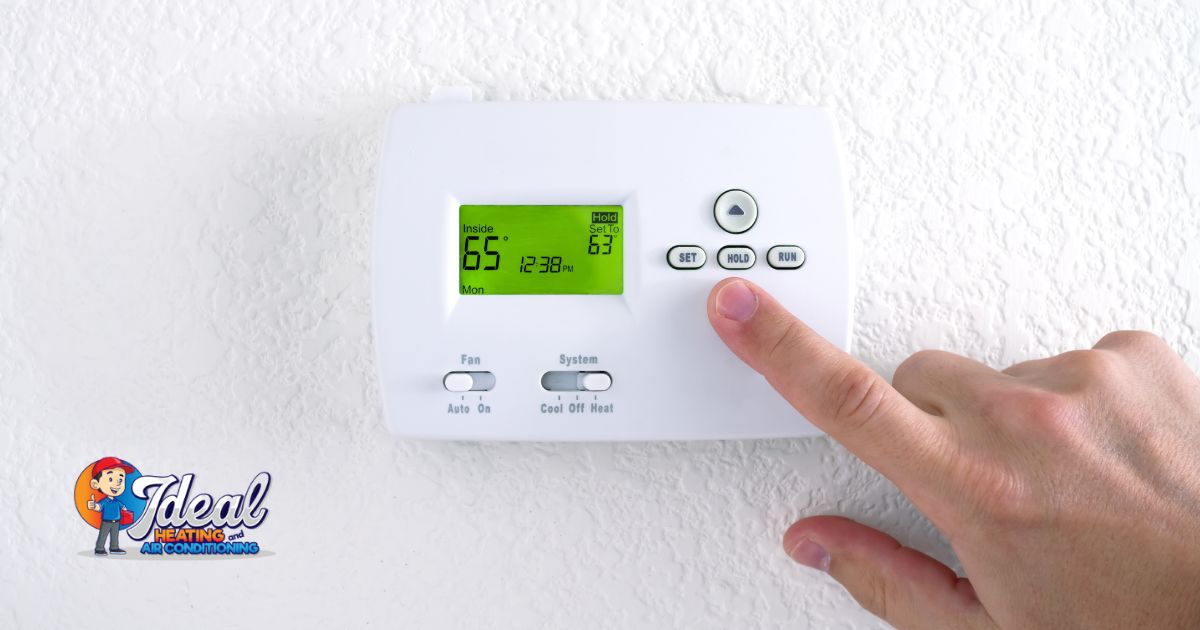
If your heating and cooling system won’t turn on, the issue may not be with the HVAC unit itself; it could be the thermostat. The thermostat acts as the system’s control center, signalling when to heat or cool your home. If it isn’t functioning properly, your system may not receive the command to start.
Make Sure the Thermostat Is Working Properly
Before assuming a serious mechanical issue, it’s important to confirm that the thermostat is operating correctly. Many startup problems can be traced back to simple thermostat errors.
What Homeowners Can Safely Check
There are several basic checks you can perform to ensure your thermostat is communicating properly with your HVAC system.
You should confirm that the thermostat is set to the appropriate mode, “heat” in winter or “cool” in summer, and that the temperature is set higher or lower than the current room temperature to trigger the system.
- You should replace the batteries if your thermostat uses them, as dead batteries can prevent it from sending a signal.
- You should check that the display is on and responsive, which indicates the thermostat has power and is functioning.
- You should ensure the thermostat is set to the correct mode, particularly for heat pumps, which have separate settings for heating and cooling.
If the thermostat passes these checks and the system still won’t start, the issue may lie deeper in the electrical or mechanical components of the HVAC unit.
When It’s Time to Call a Professional
Certain thermostat problems require professional attention to prevent further frustration or system damage.
Call for professional service if you notice any of the following. These signs indicate that the thermostat may need repair or replacement by a licensed technician.
- The display remains blank or flickers even after replacing the batteries.
- Temperature readings are inconsistent or clearly inaccurate.
- The heating or cooling system does not respond to changes in the thermostat settings.
In any of these cases, contacting Ideal Heating and Air Conditioning ensures your system is properly diagnosed and restored to reliable operation.
4. Safety Switches and System Protection Features
Modern heating and cooling systems are designed with multiple safety switches to protect both the equipment and your home. These switches can prevent the system from starting or shut it down automatically if a potential hazard is detected. Understanding how these features work can help you identify minor issues and know when professional service is needed.
Safety Switches That Can Shut Your System Down
Safety switches are critical for preventing damage to your HVAC system or avoiding dangerous situations. While they are beneficial, they can sometimes prevent the system from turning on even when everything else seems normal.
Common Safety-Related Issues
Several safety switches are commonly responsible for preventing HVAC startup:
- A condensate float switch may be triggered by a clogged drain line, shutting the system down to prevent water damage.
- The furnace door safety switch may not be fully engaged, which prevents the unit from operating.
- A high-limit switch can shut the system down if the furnace overheats, protecting the internal components from damage.
If one of these safety features is activated, the system may remain off until the underlying issue is resolved.
What Homeowners Can Safely Check
There are a couple of basic inspections you can perform to rule out simple causes:
- You should look for visible water around the furnace or drain line, which could indicate a clogged condensate line.
- You should ensure all access panels and doors on the furnace are properly closed and securely latched.
These checks are generally safe and can sometimes allow the system to restart if a minor issue is corrected.
When to Stop and Call for Service
Certain signs indicate a safety switch issue that requires professional attention to avoid damage or hazards. Call a professional if you notice any of the following:
- There is standing water near the unit that you cannot safely remove.
- The system repeatedly shuts down after resets, indicating an ongoing safety issue.
- The unit displays error codes or flashing lights that you cannot clear.
If any of these warning signs are present, it is best to contact Ideal Heating and Air Conditioning to have a licensed technician safely diagnose and fix the problem.
5. Internal Component Failures
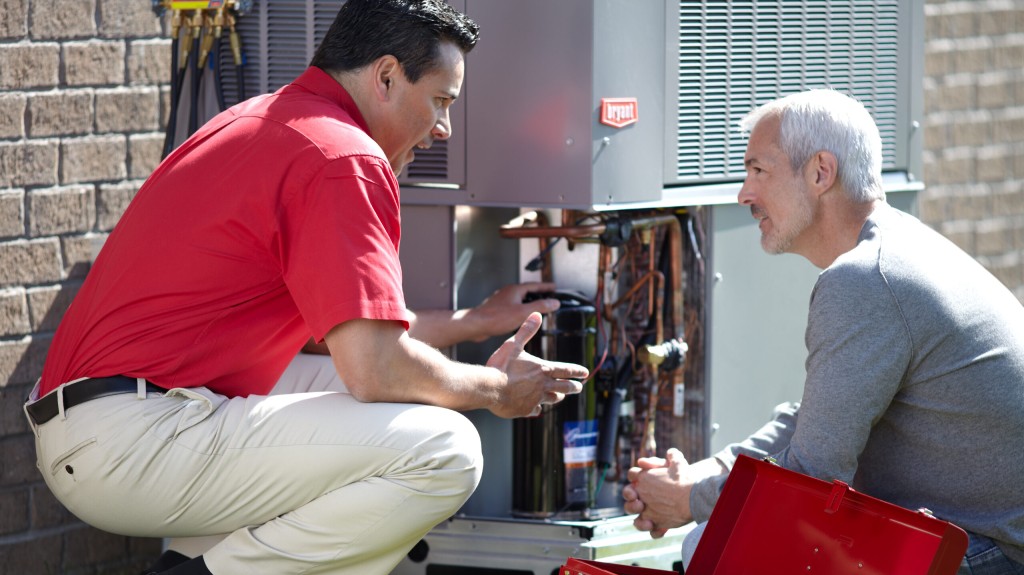
If your heating and cooling system won’t turn on after checking power, breakers, the thermostat, and safety switches, the issue may lie with the internal components. Many internal failures are not visible and require specialized knowledge and tools to diagnose safely. Attempting to repair these parts without training can be dangerous and may cause further damage.
When Internal Parts Prevent Startup
Internal component failures are a common cause of HVAC systems failing to start. These issues typically involve electrical or mechanical parts that are critical to the system’s operation. Identifying the problem requires professional expertise.
Common Internal Issues
Some of the internal problems that can prevent your HVAC system from turning on include:
- A failed capacitor or contactor can prevent the compressor or fan from starting.
- Blower motor failure, which stops air from circulating through your home.
- A control board malfunction, which can prevent the system from receiving or executing commands.
- Ignition system problems in gas furnaces, which prevent the burner from lighting safely.
These failures are not something you can safely diagnose on your own.
Why Homeowners Should Not Attempt DIY Repairs
Do not attempt DIY repairs if any of the following apply. Working on internal HVAC components without proper training can be extremely hazardous. There are several reasons why professional service is necessary:
- There is a risk of electrical shock when handling capacitors, wiring, or control boards.
- Gas furnace components pose potential hazards if handled incorrectly, including the risk of gas leaks or carbon monoxide exposure.
- DIY repairs can cause further damage to the system or void manufacturer warranties, leading to costly repairs.
When internal components are suspected, the safest course of action is to contact Ideal Heating and Air Conditioning, where trained technicians can quickly and safely diagnose and repair the issue.
The bar chart below shows which HVAC issues homeowners can safely check themselves and which require professional service. It helps you quickly see where DIY troubleshooting is appropriate and when it’s best to call a licensed technician.
6. Warning Signs That Require Immediate Professional Service
While some HVAC issues can be safely checked at home, certain warning signs indicate a potentially dangerous or serious problem that requires immediate professional attention. Ignoring these symptoms can lead to equipment damage, safety hazards, or even health risks.
Call for Service Right Away If You Notice Any of These
Being aware of these red flags can help you act quickly and prevent further complications.
Critical warning signs
- You notice strong burning or electrical smells coming from your HVAC system, which could indicate overheating or electrical issues.
- You hear loud banging, grinding, or screeching noises when the system attempts to start or run.
- The system turns on briefly but shuts off repeatedly, suggesting a serious mechanical or electrical malfunction.
- You see visible sparks, smoke, or refrigerant leaking from the unit, which can be extremely hazardous.
- Your carbon monoxide alarm activates while the gas furnace is running, indicating a potential leak that requires immediate evacuation and professional service.
If any of these warning signs occur, it is essential to stop attempting DIY troubleshooting.
Contacting Ideal Heating and Air Conditioning immediately ensures that trained technicians can safely diagnose and resolve the issue, protecting both your home and your family.
7. Preventive Tips to Avoid Future No-Start Issues
Once your heating and cooling system is back up and running, taking preventive steps can help reduce the risk of future no-start issues. Regular maintenance and mindful habits can keep your HVAC system operating efficiently and reliably, saving you time, stress, and repair costs.
How to Reduce the Risk of Your HVAC System Not Turning On
By following a few simple preventative measures, you can help ensure your system starts reliably when it’s needed most.
Key preventive tips
- You should replace air filters regularly to maintain proper airflow and prevent strain on the system.
- You should keep vents and return air grilles clear of furniture, dust, and debris to ensure unobstructed airflow.
- You should schedule annual professional maintenance to inspect, clean, and service the system before small issues become major problems.
- You should address small issues as soon as they appear, such as unusual noises, inconsistent temperatures, or minor leaks, to prevent system-stopping failures.
Following these tips can help extend the lifespan of your HVAC system and reduce the likelihood of unexpected breakdowns. By staying proactive with maintenance and addressing issues early, you can enjoy reliable heating and cooling year-round.
8. When to Call Ideal Heating and Air Conditioning
Calling a professional ensures that your HVAC system is properly assessed and repaired, avoiding unnecessary risks or further damage.


Benefits of professional service
- A licensed technician can perform a thorough diagnosis to pinpoint the exact cause of the system failure.
- Professionals follow proper troubleshooting protocols to safely address electrical, mechanical, or gas-related issues.
- Expert repair work enhances the long-term reliability and efficiency of your HVAC system.
- Technicians can identify minor problems before they escalate into costly repairs or complete system failure.
- By relying on professional service, you gain peace of mind knowing your system is safe, efficient, and ready to perform when you need it most.
If your heating and cooling system won’t turn on despite your basic checks, contact Ideal Heating and Air Conditioning for prompt, expert service that ensures your home stays comfortable and your system operates safely and efficiently