
Poor indoor air quality (IAQ) is often referred to as an “invisible” problem because many of its most dangerous pollutants are odorless and colorless. However, your body and your home often provide clear warnings that the air you’re breathing isn’t as clean as it should be.
This guide breaks down the physical symptoms, environmental red flags, and the critical role your HVAC system plays in maintaining a healthy home.
- Physical Signs Your Air is Making You Sick
- Environmental Red Flags in Your Home
- Root Causes of Poor Indoor Air Quality
- The HVAC Connection: Impact & Solutions
- Maintenance Checklist for Clean Air
Contact Ideal Heating today for a comprehensive inspection to assess the air quality of your home.
Key Takeaways
- The “Leave-Home” Test: If symptoms like headaches or itchy eyes disappear when you leave the house, poor IAQ is the likely culprit (Sick Building Syndrome).
- HVAC is the Lungs of the Home: A poorly maintained HVAC system doesn’t just fail to clean the air; it can actively distribute mold, dust, and bacteria.
- Humidity is Critical: Maintaining levels between 30% and 50% prevents both respiratory irritation (too dry) and mold growth (too humid).
- Technology Helps: UV-C lights and HEPA filters are high-impact upgrades for neutralizing biological and particulate threats.
1. Physical Signs Your Air is Making You Sick
When indoor air is contaminated, occupants often experience “Sick Building Syndrome” (SBS). These symptoms are frequently mistaken for the common cold or seasonal allergies, but they are actually your body’s inflammatory response to airborne pollutants.
- Respiratory Irritation: This often manifests as a persistent “dry” cough, a scratchy throat, or a feeling of chest tightness. Fine particulates can irritate the lining of the lungs, leading to long-term inflammation.
- Chronic Allergic Reactions: High concentrations of pet dander, dust mites, or pollen trapped indoors can lead to “year-round allergies.” This includes watery eyes, skin rashes, and frequent sneezing, even when it isn’t pollen season.
- Neurological Impacts: High levels of co2 (above 1,000 ppm) or Volatile Organic Compounds (VOCs) from paints and cleaners can cause “brain fog,” dizziness, and chronic tension headaches.
- Fatigue and Sleep Disruption: Poor air quality forces your body to work harder to filter out toxins, which can lead to lethargy and poor sleep quality.
Identifying these patterns is the first step in realizing that your home’s environment, rather than a virus, may be the source of your discomfort.
2.Environmental Red Flags in Your Home
Sometimes the building shows signs of distress before you do. By paying close attention to the surfaces and “scent” of your home, you can catch air quality issues before they become health crises.
- Accelerated Dust Buildup: If you find a thick layer of grey dust on your electronics or coffee table just days after cleaning, your HVAC filtration is likely failing to capture circulating particles.
- Lingering or Musty Odours: A “dirty sock” smell near vents usually indicates microbial growth on the AC coils, while a general musty scent suggests hidden mold behind walls or under carpets.
- Condensation and Moisture: Frequent fogging on the inside of windows or “sweating” pipes are signs of high humidity. This excess moisture is the primary fuel for mold spores and dust mite colonies.
- Visible Growth Near Vents: If you see black or green spotting on air registers or ceiling tiles, it is a sign that spores are being actively transported through your ductwork.
By treating these environmental cues as diagnostic tools, you can pinpoint exactly where your air quality is breaking down.
3. Root Causes of Poor Indoor Air Quality
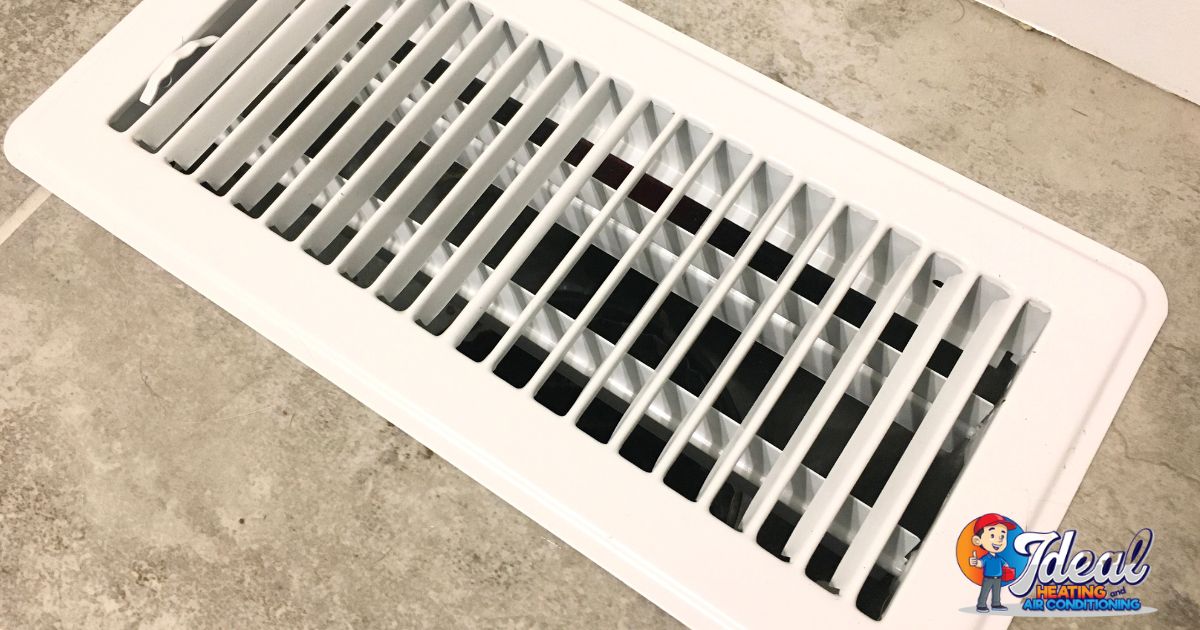
Understanding the source of the pollution is essential for a permanent fix. Most IAQ issues stem from a lack of fresh air exchange combined with internal contaminants.
- Duct Contamination: Over time, air ducts collect a “debris blanket” of skin cells, pet hair, and construction dust. This becomes a breeding ground for bacteria that is redistributed every time the fan kicks on.
- Inadequate Ventilation: Modern homes are built to be airtight for energy efficiency. While this saves on power bills, it traps $CO_2$, cooking fumes, and off-gassing from furniture (VOCs) inside the living space.
- Humidity Imbalances: Air that is too dry (under 30%) dries out your mucus membranes, making you more vulnerable to infections. Conversely, air that is too humid (over 50%) promotes the rapid spread of mold and mildew.
- Dirty or Low-Grade Filters: Many homeowners use “fibreglass” filters that only catch large debris to protect the machinery, allowing microscopic allergens to pass through and stay in the breathing zone.
Addressing these root causes requires a shift from simply “moving air” to actively “treating air.”
4. The HVAC Connection: Impact & Solutions
Your HVAC system is essentially the “respiratory system” of your home. If it is upgraded with the right technology, it becomes a powerful tool for purification rather than just a temperature regulator.
- Advanced Filtration (MERV 13+): Upgrading to a high-efficiency media filter can capture particles as small as 0.3 microns, including bacteria and virus-carrying droplets.
- UV-C Light Sterilization: UV-C lamps installed inside the air handler use short-wave ultraviolet light to scramble the DNA of microorganisms, effectively killing mold on the cooling coils and neutralizing airborne pathogens.
- Whole-Home Humidifiers/Dehumidifiers: These systems integrate directly into your ductwork to maintain a steady humidity level throughout the entire house, preventing the physical discomfort associated with dry or stagnant air.
- Energy Recovery Ventilators (ERVs): These systems pull in fresh outdoor air while pre-conditioning it with the energy from the exhaust air, ensuring you have “fresh” air without losing your temperature control.
Investing in these integrated solutions ensures that every cubic foot of air in your home is scrubbed clean before it ever reaches your lungs.
5. Maintenance Checklist for Clean Air
Consistent maintenance is the most cost-effective way to prevent poor IAQ. Use the following schedule to keep your system operating as a purifier.
| Task | Frequency | Impact on Air Quality |
| Change Air Filters | Every 1–3 Months | Reduces dust circulation and prevents “bypass” leaks. |
| Clean Condensate Drain | Twice per Year | Prevents standing water that leads to mold and odors. |
| Professional Coil Cleaning | Once per Year | Removes “bio-film” buildup that blocks airflow and breeds bacteria. |
| Duct Inspection | Every 3 Years | Identifies leaks that pull in “bad air” from attics or crawlspaces. |
| UV Bulb Replacement | Every 12 Months | Ensures the light maintains enough intensity to kill microbes. |
Following a disciplined maintenance routine is the only way to guarantee that your air quality remains high throughout the changing seasons.
Poor Indoor Air Quality? Call Ideal Heating


Ideal Heating understands that poor indoor air quality is unacceptable for you and your family. Our professional technicians are fully TSSA-certified and specialize in diagnosing why your air quality is suffering and how to improve it.
By partnering with Ideal Heating to optimize your system, you gain:
Maximized Efficiency: Precision tuning and calibration to restore peak performance, immediately reducing unnecessary run-time and lowering your monthly energy bills.
Expert Diagnostics: Accurate identification of hidden issues like refrigerant leaks or sizing errors that DIY maintenance can’t catch.
Peace of Mind: Confidence that your system is running safely and delivering the most comfort for the least cost.
Priority Service: Preferred treatment and rapid response times should any unexpected issue arise, saving you from stressful emergency situations.
Don’t continue to pay for wasted energy. Be proactive and secure your home’s most vital systems today. With over 35 years of experience serving customers in the GTA and a 5-star rating on Google Reviews, we provide the ideal advice.