
Your Heating, Ventilation, and Air Conditioning (HVAC) system is one of the most vital and most expensive components of your home. Like a car, it has moving parts that endure incredible stress—especially during peak seasons when temperatures are extreme. Yet, many homeowners only think about their HVAC when it stops working.
Seasonal maintenance is not an expense; it’s an investment that offers major returns in comfort, efficiency, and longevity. Ignoring this crucial step is the number one cause of costly breakdowns and premature system failure.
- Why You Can’t Afford to Skip Your HVAC Tune-Up
- The Three Pillars of Proactive Maintenance
- The Homeowner’s Seasonal HVAC Checklist
- The Long-Term Benefits: Comfort and Savings
Contact Ideal Heating today for a comprehensive inspection to make sure your HVAC system is ready for Ontario’s extreme weather.
Key Takeaways
Maintenance is an Investment: Regular HVAC tune-ups prevent minor issues from becoming major, costly breakdowns.
Boost Efficiency, Lower Bills: A well-maintained system operates at peak efficiency, directly reducing your monthly energy costs.
Longevity is Key: Proactive care minimizes component stress, helping your HVAC system reach its full 15-20 year lifespan.
DIY Task: The single most important homeowner task is consistently changing or cleaning your air filter.
Professional Expertise: Only a professional can perform critical tasks like checking refrigerant levels and calibrating electrical components.
Plan for Peace of Mind: Professional maintenance plans, like those offered by Ideal Heating, ensure your system is inspected and optimized seasonally, guaranteeing reliable comfort.
1. Why You Can't Afford to Skip Your HVAC Tune-Up
Your Heating, Ventilation, and Air Conditioning (HVAC) system is one of the most vital and most expensive components of your home. Like a car, it has moving parts that endure incredible stress—especially during peak seasons when temperatures are extreme. Yet, many homeowners only think about their HVAC when it stops working.
The truth is, HVAC systems do not “just break.” They often fail after a long period of stress, dirt accumulation, and component wear that could have been easily addressed during a routine service visit. This is the difference between Reactive Maintenance (waiting for a system to break down) and Proactive Maintenance (preventing the breakdown in the first place).
The High Cost of Reactivity
When your air conditioning quits on the hottest day of the year, or your furnace stops working in the middle of a winter storm, you are forced into an emergency situation. Emergency calls typically involve higher service fees, and the failure itself is often a catastrophic one—like a compressor burnout—which can cost thousands of dollars to replace. Furthermore, parts that fail under duress often lead to stress on other parts, causing a domino effect of damage.
Seasonal maintenance is not an expense; it’s an investment that offers major returns in comfort, efficiency, and longevity. Ignoring this crucial step is the number one cause of costly breakdowns and premature system failure. By investing a little time and money upfront, you avoid the much larger cost, inconvenience, and stress of a no-heat or no-cool emergency.
2. The Three Pillars of Proactive Maintenance
1. Prevent Costly Breakdowns
Most major HVAC failures begin as small, easily fixable issues like a loose wire, a dirty coil, or a low refrigerant level. A professional tune-up can catch these minor problems before they escalate into a compressor failure or an emergency repair that leaves you sweltering in the summer or freezing in the winter.
2. Improve Energy Efficiency
A dirty or poorly maintained system has to work significantly harder to reach your desired temperature. This increased effort translates directly to higher utility bills. When coils are clean and all components are properly lubricated and calibrated, your system operates at peak efficiency, using the least amount of energy possible. This efficiency alone can often offset the cost of the maintenance itself.
3. Extend System Lifespan
HVAC systems are typically designed to last 15 to 20 years. However, a neglected system can fail in half that time. Regular maintenance minimizes wear and tear on critical components. By ensuring every part is working correctly and efficiently, you reduce stress on the entire unit, helping your system reliably reach its maximum designed lifespan.
3. The Homeowner's Seasonal HVAC Checklist
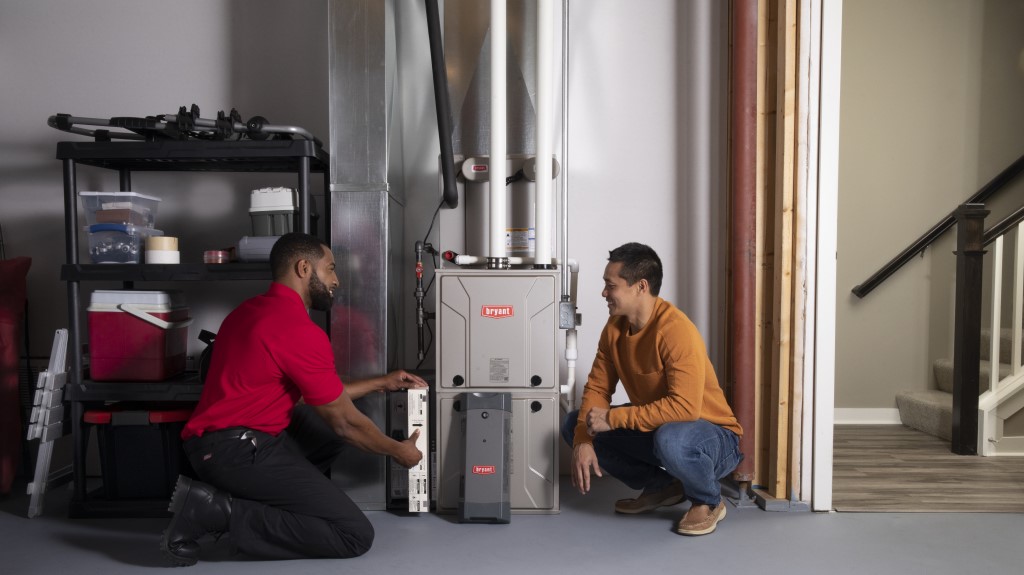
While a professional technician should handle in-depth diagnostics, there are essential tasks you, as a homeowner, can and should perform regularly:
Change or Clean Air Filters: This is the most crucial DIY task. A dirty filter restricts airflow, forcing the system to work harder. Aim to check filters monthly and replace or clean them every 1–3 months, depending on the filter type and usage.
Clear the Area Around Outdoor Unit: Ensure your outdoor condenser unit (for AC/heat pumps) is clear of leaves, grass clippings, shrubs, and debris for at least two feet in all directions. Blockages restrict airflow and hamper efficiency.
Check for Leaks: Periodically inspect your furnace, indoor coil area, and outdoor unit for any signs of water leaks or dripping. Water issues can lead to rust, mold, and component damage.
Test Thermostat Operation: Before the heating or cooling season begins, test your thermostat to ensure it accurately changes the temperature and cycles the system on and off as expected.
Clean Vents and Registers: Dust and vacuum all supply and return vents to ensure maximum airflow into and out of your rooms.
4. The Long-Term Benefits: Comfort and Savings
Proactive maintenance isn’t just about avoiding disaster—it’s about maximizing your comfort every day.
Consistent Comfort: A well-tuned system provides more consistent heating and cooling throughout your home, eliminating hot and cold spots.
Better Air Quality: Clean coils and fresh filters remove dust, pollen, and other allergens, significantly improving the air quality inside your home.
Peace of Mind: Knowing your system has been professionally inspected and optimized gives you confidence that it will perform reliably when you need it most.
While the DIY checklist is important, only a certified professional can perform the in-depth checks, adjustments, and cleanings your system truly needs. These tasks often require specialized tools and knowledge, such as:
Checking refrigerant pressure.
Measuring electrical voltage and amperage.
Calibrating the thermostat.
Cleaning the condenser and evaporator coils.
Lubricating motors and checking belts.
At Ideal Heating, we understand that busy homeowners need a simple, stress-free way to protect their investment. That’s why we offer Professional HVAC Maintenance Plans designed to help homeowners avoid costly repairs and keep their systems running smoothly year-round.Air Conditioner Repair & Maintenance
Ideal Heating and Air Conditioning: Your Seasonal HVAC Maintenance Partner
Ideal Heating understands the demands Ontario’s extreme weather places on your home and your budget. Our professional technicians are fully TSSA-certified and specialize in preparing, maintaining, and repairing every component of your HVAC system for extreme weather conditions.
By scheduling a comprehensive tune-up with Ideal Heating, you gain:
Peace of Mind: Confidence that your system is safe and ready for the deepest cold or hottest heat.
Maximized Efficiency: Restored peak performance to lower your monthly heating and cooling bills.
Priority Service: Preferred treatment and rapid response times for any unexpected issues.
Don’t let the weather dictate your comfort. Be proactive and secure your home’s most vital systems today.
With over 35 years of experience serving customers in the GTA and a 5-star rating on Google Reviews, we provide the ideal advice.