If your HVAC system seems to turn on and off more frequently than normal, you may be dealing with a phenomenon called short cycling. While it might seem harmless at first, short cycling can reduce comfort, increase energy bills, and place unnecessary strain on your system.
Learn more below.
- What Short Cycling Is and How It Can Damage Your HVAC System
- Common Causes of Short Cycling
- DIY Checks & Calling the Pros
Key Takeaways
- Short cycling occurs when your HVAC system turns on and off too frequently, preventing it from completing full heating or cooling cycles.
- Common causes include thermostat issues, restricted airflow, improperly sized systems, refrigerant problems, and electrical faults.
- Homeowners can perform basic checks, such as monitoring cycle times, inspecting filters and vents, and verifying thermostat placement, to identify potential short cycling.
Professional intervention is recommended for persistent cycling, mechanical or electrical issues, refrigerant concerns, or older systems, to prevent damage and maintain efficiency.
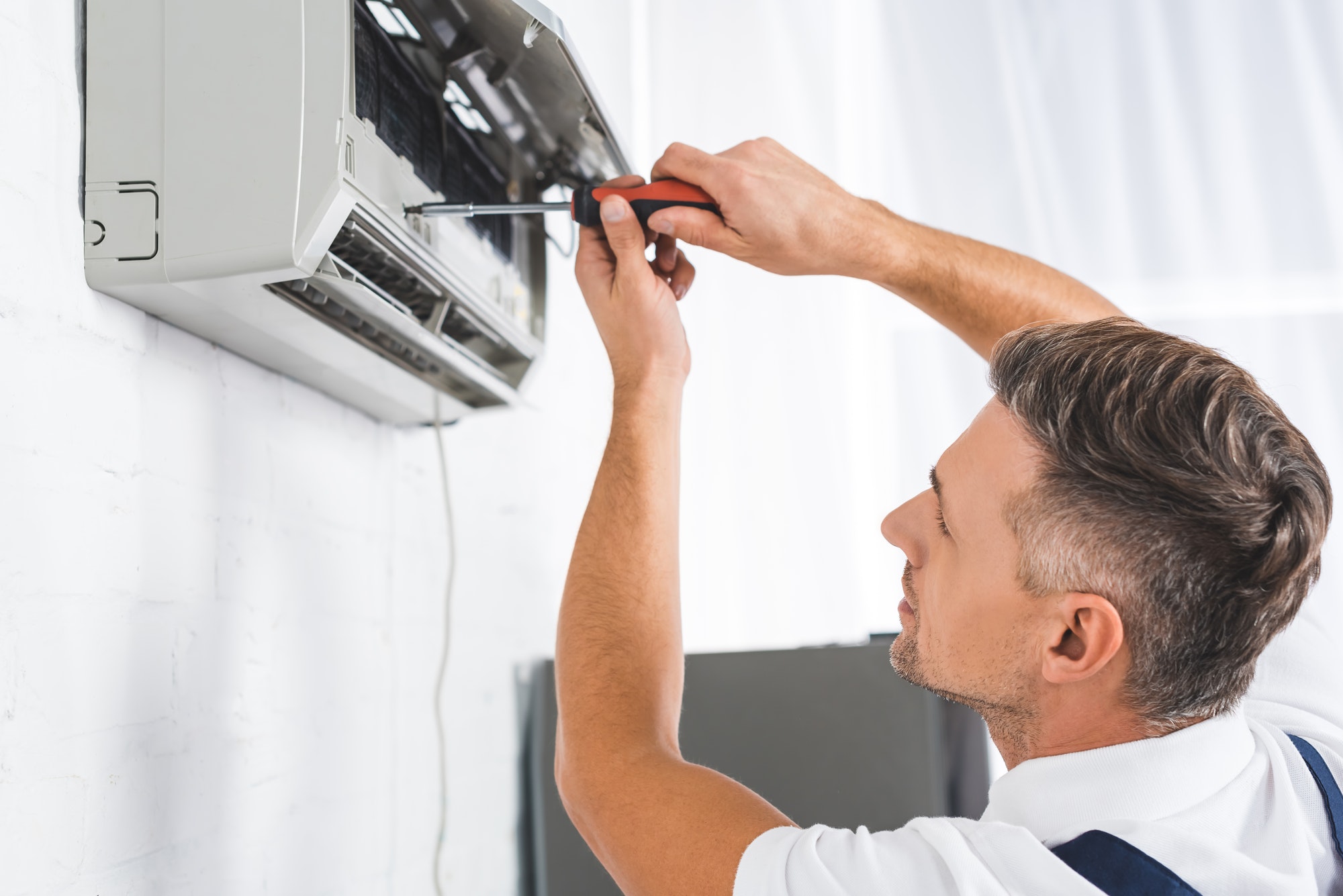
System Frequently Turns Off and On: Is Short Cycling Damaging Your HVAC?
1. What Short Cycling Is and How It Can Damage Your HVAC System
Short cycling occurs when your HVAC system turns on and off more frequently than it should, running for only a few minutes at a time instead of completing a full heating or cooling cycle.
While it might seem like your system is simply adjusting to changes in temperature, short cycling can actually put significant strain on your equipment and lead to higher energy bills, reduced comfort, and even costly repairs over time.
How Short Cycling Works
Normally, your HVAC system runs long enough to heat or cool your home efficiently, then shuts off once the desired temperature is reached.
During short cycling, the system shuts off prematurely, often before reaching the set temperature, then quickly restarts to try again.
This repeated on-and-off pattern prevents your system from running at optimal efficiency and can indicate underlying problems with the equipment, thermostat, or airflow.
Why Short Cycling Is Harmful
Short cycling isn’t just inconvenient — it can actively damage your HVAC system in several ways:
Increased wear and tear: Frequent starts and stops place extra stress on motors, compressors, and other mechanical components.
Higher energy bills: Each startup uses more electricity or gas than continuous operation, meaning your system consumes more energy overall.
Reduced comfort: Rooms may never reach the desired temperature, leaving your home unevenly heated or cooled.
Moisture problems: In cooling systems, short cycling prevents the air conditioner from running long enough to properly remove humidity, which can lead to dampness and mold growth.
Shortened lifespan: The cumulative effect of constant cycling can cause premature failure, meaning you may need repairs or replacement sooner than expected.
Understanding short cycling is the first step in addressing the issue. In the following sections, we’ll explore the common causes of short cycling, how to identify it in your own home, and what steps you can take to protect your HVAC system.
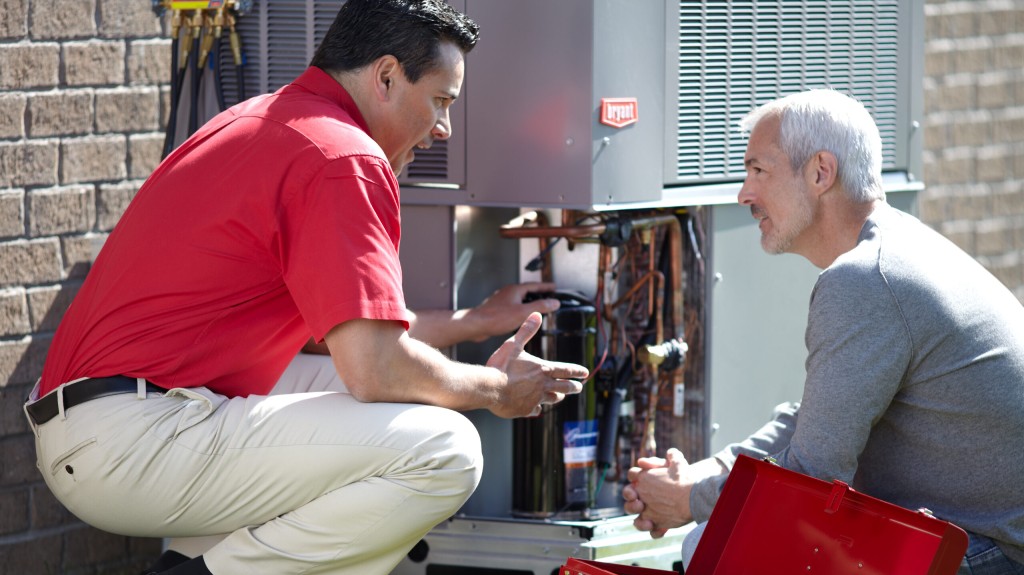
2. Common Causes of Short Cycling
Short cycling is usually a symptom of an underlying issue rather than a problem in itself. Identifying the cause is key to protecting your HVAC system, improving efficiency, and maintaining comfort. Some of the most frequent contributors include:
Thermostat Placement and Settings
-
Poor placement: If your thermostat is installed near a heat source, draft, or direct sunlight, it may misread the actual room temperature.
-
Improper calibration: A malfunctioning or outdated thermostat can send inaccurate signals to your HVAC system, causing it to turn on and off prematurely.
Clogged Air Filters and Restricted Airflow
-
Dirty filters or blocked vents reduce airflow, making it harder for your system to circulate conditioned air.
-
Reduced airflow can trigger safety mechanisms that shut the system down temporarily, leading to frequent restarts.
Oversized or Undersized HVAC Systems
-
Oversized systems: Units that are too large for your home heat or cool spaces too quickly, causing the system to shut off before completing a full cycle.
-
Undersized systems: Units that are too small struggle to meet demand, often overworking and cycling on and off in an attempt to catch up.
Refrigerant and Mechanical Issues
-
Low or uneven refrigerant levels in air conditioners or heat pumps can prevent the system from running efficiently, causing it to cycle frequently.
-
Worn or failing components, such as compressors, capacitors, or fans, can also contribute to short cycling.
Electrical and Control Problems
-
Faulty wiring, tripped breakers, or malfunctioning relays can interrupt system operation and cause rapid cycling.
-
Any electrical irregularity that repeatedly starts or stops your system can increase stress on the equipment and reduce its lifespan.
Addressing the root cause of short cycling often requires a professional inspection to ensure the correct diagnosis. In the next section, we’ll discuss how to recognize the signs of short cycling in your home so you can catch issues before they cause serious damage.
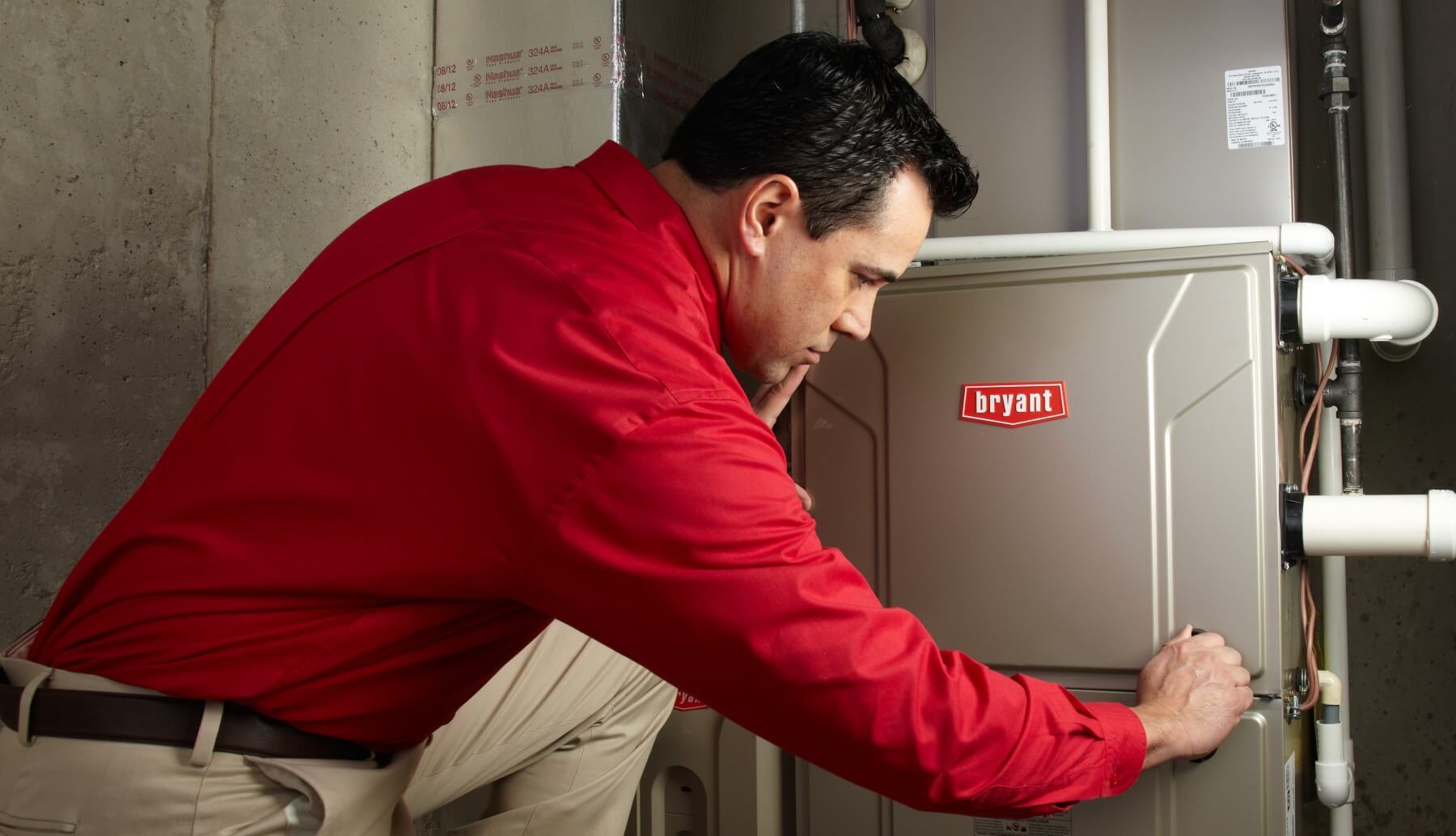
3. DIY Checks & Calling the Pros
While diagnosing short cycling often requires professional expertise, there are a few checks you can perform yourself to determine whether your system might be cycling too frequently. These steps can help you gather information and decide whether it’s time to call in a certified HVAC technician.
DIY Checks at Home
Monitor system cycles: Pay attention to how long your HVAC system runs each time it turns on. Most heating or cooling cycles should last at least 10–15 minutes. If the system shuts off after only a few minutes repeatedly, short cycling may be occurring.
Check your thermostat: Ensure it’s placed away from heat sources, drafts, or direct sunlight. Confirm that the temperature setting is consistent and that the thermostat is functioning properly.
Inspect air filters and vents: Dirty filters or blocked vents can restrict airflow. Replace or clean filters and make sure vents are fully open and unobstructed.
Look for temperature inconsistencies: Uneven heating or cooling in different areas of your home may indicate airflow or system issues contributing to short cycling.
Listen for unusual noises: Frequent starts and stops often produce clicking, humming, or other mechanical sounds that are out of the ordinary.
When to Call a Professional
Some issues with short cycling go beyond what a homeowner can safely address. You should schedule a professional HVAC consultation if you notice:
Persistent short cycles despite clean filters and proper thermostat settings
Rapid cycling combined with unusual noises, strange smells, or system shutdowns
Electrical issues, such as tripped breakers, flickering lights, or blown fuse, ares linked to your HVAC system
Signs of refrigerant problems, including insufficient cooling, icing on coils, or unusual airflow
An older system nearing the end of its lifespan that frequently undergoes short cycles
A licensed HVAC technician can perform a thorough inspection, identify the exact cause of short cycling, and recommend the most effective solution — whether that’s a simple repair, component replacement, or a system upgrade. Acting early can protect your equipment, reduce energy costs, and prevent small problems from turning into major repairs.

Take the First Step Toward Consistent Comfort
Uneven heating or cooling can make your home uncomfortable, increase energy costs, and put extra strain on your HVAC system. By understanding the common causes, recognizing the signs, and taking simple steps at home, you can improve comfort in the short term.
For long-term solutions, a professional HVAC assessment is the most effective way to identify the root cause of hot and cold spots and restore balanced temperatures throughout your home.


Contact Ideal Heating & Air Conditioning today to schedule an inspection and ensure your home stays comfortable, energy-efficient, and evenly heated or cooled all year round.