
When an HVAC system takes hours to reach a simple thermostat setting, it’s rarely just “the weather.” It is usually a sign that the system is losing a tug-of-war against heat transfer. Whether it’s a lack of “fuel” (refrigerant), a “clogged lung” (dirty filters), or a “leaky shell” (poor insulation), a slow response time indicates that your system is working at its absolute limit.
Here’s what you need to know and how we can help.
- Common Causes of Slow Temperature Change
- How Performance Affects Your Wallet and Comfort
- When to Repair vs. When to Upgrade
Contact Ideal Heating today for a comprehensive inspection to assess why your HVAC system is taking too long to reach a desired temperature.
Key Takeaways
- Maintenance is the #1 culprit: Clogged filters and dirty coils can reduce efficiency by up to 40%.
- Sizing matters: An undersized unit will run 24/7 without ever hitting the target temperature.
- Invisible leaks: Leaky ductwork can waste 30% of conditioned air before it reaches your living space.
- The “5,000 Rule”: If (Age of Unit × Cost of Repair) > $5,000, it’s usually time to replace.
1. Common Causes of Slow Temperature Change
1. Airflow Obstructions
Your system needs to “breathe” to exchange heat. If the airflow is restricted, the volume of conditioned air entering your home drops significantly.
Dirty Air Filters: A clogged filter acts like a wall, forcing the blower motor to work harder while pushing less air.
Blocked Vents: Furniture or rugs covering return or supply vents disrupt the pressure balance.
2. Dirty Internal Components
Evaporator Coils: These coils absorb heat from your indoor air. If they are covered in dust, the dust acts as an insulator, preventing the refrigerant inside from “grabbing” the heat.
Outdoor Condenser: If the outdoor unit is choked by leaves, dirt, or tall grass, it cannot release the heat it gathered from inside, causing the system to recycle warm refrigerant back into the house.
3. Low Refrigerant Levels
Refrigerant is the medium that carries heat. If there is a leak, the system lacks the “carrying capacity” to move heat out of (or into) your home.
Note: HVAC systems do not “use up” refrigerant like a car uses gas. If it’s low, you have a leak that needs a professional repair.
4. Improper System Sizing
Undersized Systems: If a unit is too small for the square footage, it lacks the raw power to overcome the “heat load” of the house, especially during extreme afternoons.
Oversized Systems: While these reach temperature quickly, they often “short cycle” (turn on and off too fast), which fails to remove humidity, making the house feel “clammy” even if the air is cool.
5. Poor Home Insulation and Leaky Ducts
Even a perfect HVAC system will struggle if the house can’t hold the air.
The “Swiss Cheese” Effect: Leaks in attic ductwork can bleed out your expensive conditioned air into the crawlspace before you ever feel it.
Insulation Gaps: Heat infiltrates through thin walls and old windows faster than the AC can remove it.
2.How Performance Affects Your Wallet and Comfort
When a system struggles, the impact goes beyond a slightly warm room:
| Factor | Impact of a Slow System |
| Energy Bills | The compressor (the most expensive part to run) stays on for hours longer, causing utility spikes. |
| Component Wear | Continuous operation leads to premature failure of the blower motor and compressor. |
| Humidity Control | Slow cooling often means the system isn’t running long enough or effectively enough to pull moisture from the air, leading to mold risks. |
| Air Quality | Clogged components often circulate more dust and allergens throughout the home. |
3. When to Repair vs. When to Upgrade
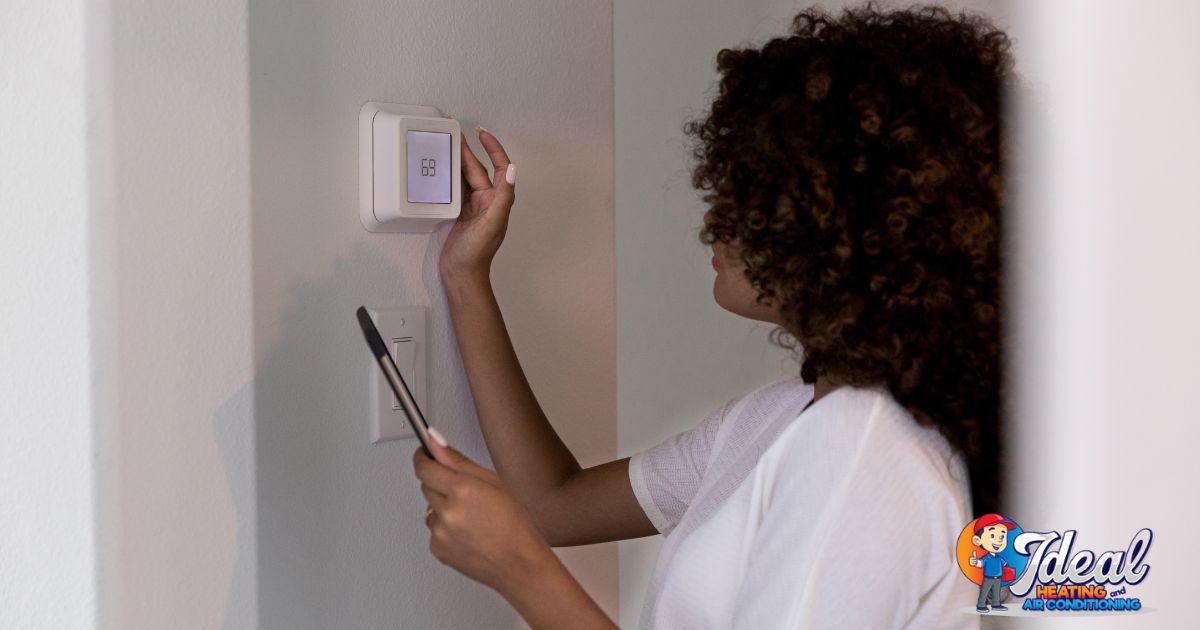
Deciding whether to sink more money into an aging HVAC unit or invest in a new system is one of the most significant financial decisions a homeowner faces. The choice usually boils down to a balance between immediate repair costs and long-term operational savings.
Before committing to a replacement, ask a technician for a Performance Audit. A professional tuning can sometimes “miraculously” fix a slow system by addressing these three things:
Static Pressure Test: To see if your ductwork is the real bottleneck.
Sub-cooling/Superheat Charge: Ensuring the refrigerant level is precise to the ounce.
Chemical Coil Cleaning: Removing deep-seated grime that a garden hose can’t reach.
Here is an expanded breakdown of how to evaluate your system’s future.
The “Rules of Thumb” for Replacement
Industry experts generally use two mathematical frameworks to take the emotion out of the decision:
The $5,000 Rule: Multiply the age of the equipment by the repair estimate. If the total exceeds $5,000, replacement is usually the smarter investment.
Example: A 12-year-old unit requiring a $500 motor repair ($6,000) is a candidate for replacement.
The 50% Rule: If the cost of a single repair exceeds 50% of the system’s total value, it is considered “totalled,” similar to a vehicle.
When to Choose Repair
Repairing the system is often the right path if the unit is still within its “prime” years and the failure is an isolated incident.
Under 10 Years Old: Most major manufacturers offer 10-year parts warranties. If your system is in this window, the repair is likely just the cost of labour.
Minor Component Failure: Issues like a failed capacitor, a blown fuse, or a broken fan belt are “wear and tear” items. They don’t indicate the system is dying; they just need routine replacement.
Performance is Generally Good: If the system has historically reached the set temperature quickly and kept your bills stable until this specific breakdown, it likely has several years of life left.
When an Upgrade is the Better Investment
Sometimes, “fixing” a system is just putting a bandage on a terminal problem. An upgrade is recommended in the following scenarios:
The R-22 “Freon” Factor
If your system was manufactured before 2010, it likely uses R-22 refrigerant. This has been phased out globally due to environmental regulations. Because it is no longer produced, the cost of recharging a leak can be astronomical—often $100 to $200 per pound. If an R-22 system leaks, it is almost always more cost-effective to replace the unit.
Efficiency Gains (The SEER2 Rating)
Modern systems are significantly more efficient. Moving from an old 10-SEER unit to a modern 16-SEER or 18-SEER unit can reduce your cooling costs by 20% to 40%. In high-use climates, the energy savings alone can “pay back” the cost of the new system within 5–7 years.
Humidity and Comfort Technology
Older systems are “single-stage,” meaning they are either 100% ON or 100% OFF. New systems offer variable-speed compressors. These allow the system to:
Run at 25% capacity to maintain temperature.
Remove significantly more humidity from the air.
Eliminate the “hot and cold spots” common in struggling systems.
Summary Table: Repair vs. Replace
| Feature | Repair the Unit | Upgrade the System |
| System Age | Less than 10 years. | More than 12–15 years. |
| Repair Cost | Less than 30% of the new system cost. | More than 50% of the new system cost. |
| Refrigerant | Uses R-410A or R-32. | Uses discontinued R-22 (Freon). |
| Energy Bills | Consistent with previous years. | Rising steadily despite repairs. |
| Home Plans | Planning to move in 1–2 years. | Staying in the home long-term. |
System Takes Too Long to Reach Desired Temperature? Call Ideal Heating


Ideal Heating understands that poor indoor air quality is unacceptable for you and your family. Our professional technicians are fully TSSA-certified and specialize in diagnosing why your air quality is suffering and how to improve it.
By partnering with Ideal Heating to optimize your system, you gain:
Maximized Efficiency: Precision tuning and calibration to restore peak performance, immediately reducing unnecessary run-time and lowering your monthly energy bills.
Expert Diagnostics: Accurate identification of hidden issues like refrigerant leaks or sizing errors that DIY maintenance can’t catch.
Peace of Mind: Confidence that your system is running safely and delivering the most comfort for the least cost.
Priority Service: Preferred treatment and rapid response times should any unexpected issue arise, saving you from stressful emergency situations.
Don’t continue to pay for wasted energy. Be proactive and secure your home’s most vital systems today. With over 35 years of experience serving customers in the GTA and a 5-star rating on Google Reviews, we provide the ideal advice.