Ever walk from your cozy living room into a freezing bedroom or a sweltering kitchen and wonder why your home can’t seem to maintain a consistent temperature? Uneven heating or cooling is a common problem that affects comfort, energy bills, and even your HVAC system’s efficiency. Understanding the causes of these hot and cold spots is the first step toward a more comfortable, energy-efficient home.
- What Is Uneven Heating or Cooling?
- Common Causes of Hot and Cold Spots
- Signs You Have Uneven Heating or Cooling
- Impact on Comfort and Energy Efficiency
- When to Call a Professional
- Tips/Homeowner Considerations
Schedule a professional inspection to uncover the root of the problem and restore balanced comfort throughout your home.
Key Takeaways
- Uneven heating or cooling creates hot and cold spots that can make your home uncomfortable and increase energy bills.
- Common causes include duct issues, poor insulation, aging HVAC systems, airflow imbalances, and environmental factors like sunlight or furniture placement.
- Minor temperature variations are normal, but persistent hot and cold spots often indicate a problem that needs attention.
- Signs of uneven heating or cooling include noticeable temperature differences, frequent thermostat adjustments, drafty or stuffy rooms, and unexpected energy costs.
- Addressing uneven heating or cooling improves comfort, reduces energy usage, and prolongs the life of your HVAC system.
- Homeowners can try simple steps like checking vents, using fans to circulate air, and adjusting thermostat placement.
- Professional HVAC assessment is recommended for long-term solutions, including duct inspection, airflow optimization, insulation evaluation, and system maintenance or upgrades.
Uneven Heating or Cooling
1. What Is Uneven Heating or Cooling?
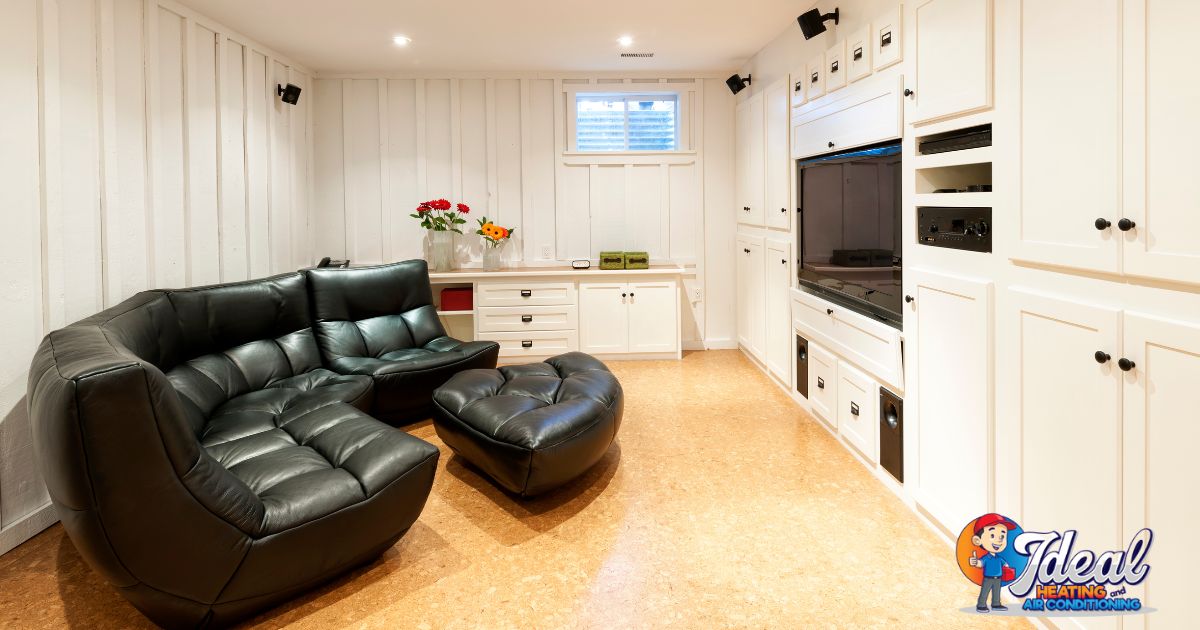
Uneven heating or cooling occurs when different areas of your home feel noticeably warmer or cooler than others. While it’s normal for a house to have some minor temperature variations, persistent or extreme differences, commonly referred to as hot and cold spots, can indicate that your HVAC system or home insulation is not functioning efficiently.
Understanding Hot and Cold Spots
Hot and cold spots are areas in your home where the temperature is significantly different from the rest of the house. These are more than just minor fluctuations; they can make some rooms uncomfortable while others feel fine. Common examples include:
- Rooms located above garages often feel colder in winter because garages are typically unheated spaces.
- Sun-exposed rooms can become excessively warm in the summer, creating an imbalance with the rest of the home.
- Basements may feel cooler than main living areas due to their location below ground and often less insulation.
These examples illustrate how structural or environmental factors can contribute to uneven heating or cooling.
Minor Temperature Variations vs. Problematic Imbalances
It’s important to differentiate between normal variations and problematic temperature differences. Minor variations are expected and usually do not affect overall comfort, while significant imbalances may signal underlying issues:
- Slight differences in room temperature throughout the day are normal and rarely require action.
- Persistent hot and cold spots that make rooms uncomfortable indicate an uneven heating or cooling problem.
- Large temperature gaps between floors, rooms, or even corners of the same room often require professional evaluation.
Understanding the difference helps homeowners identify when an HVAC inspection or home improvement measures may be needed.
By recognizing what constitutes uneven heating or cooling, you can better assess whether your home is experiencing a minor fluctuation or a more serious comfort issue that warrants attention.
2. Common Causes of Hot and Cold Spots
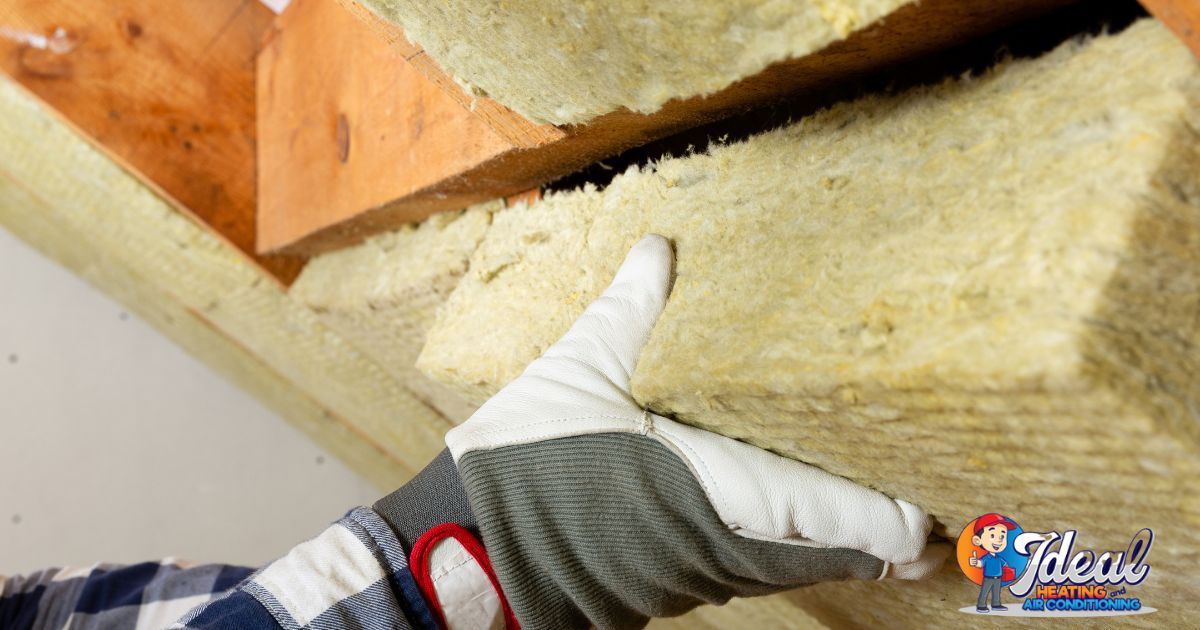
Hot and cold spots in your home rarely appear without reason. Understanding the most common causes can help you identify what may be affecting comfort and efficiency in your living spaces.
Poor Insulation
Insufficient insulation in your home can also lead to hot and cold spots. Proper insulation is key to maintaining consistent temperatures by keeping heat in during winter and out during summer. Consider the following factors:
- Attics that are poorly insulated can allow heat to escape, making upper floors colder in winter.
- Walls with minimal insulation can contribute to heat loss or gain, especially on exterior-facing walls.
- Floors and windows that lack proper insulation or sealing can create drafts, affecting room temperatures.
Without adequate insulation, your HVAC system struggles to maintain balanced comfort, leading to uneven heating or cooling.
Duct Issues
One of the primary causes of uneven heating or cooling is problems with your home’s ductwork. Duct issues can prevent air from reaching every room evenly, creating noticeable temperature differences. Common duct-related problems include:
- Leaks in ductwork can allow heated or cooled air to escape before reaching its intended destination.
- Blockages in ducts reduce airflow and can leave certain rooms under-conditioned.
- Poorly designed or improperly sized ducts can create uneven air distribution throughout the home.
When ducts aren’t functioning properly, your HVAC system has to work harder, and some rooms may never reach the desired temperature.
Aging HVAC Systems
Older HVAC systems often have a harder time maintaining consistent temperatures. As components wear over time, system efficiency declines, which can cause noticeable hot and cold spots:
- Reduced efficiency over time means the system cannot produce or distribute conditioned air as effectively.
- Aging components may struggle to maintain a consistent temperature, leaving some areas warmer or cooler than others.
Regular maintenance and timely upgrades can help mitigate issues associated with older systems.
Airflow Imbalance
Even a properly functioning HVAC system can create uneven temperatures if airflow is not balanced correctly. Common causes of airflow imbalance include:
- Closed or blocked vents that restrict the flow of air to certain rooms.
- Improper duct sizing or poorly placed registers that create uneven air pressure and distribution.
Addressing airflow imbalances ensures that every room receives the correct amount of heated or cooled air for consistent comfort.
Other Contributing Factors
Several additional factors can contribute to uneven heating or cooling, even when your HVAC system and insulation are in good condition:
- Sunlight exposure and window orientation can cause rooms to heat up or cool down more quickly than others.
- Furniture placed in front of vents can block airflow, preventing proper temperature distribution.
- Thermostat placement near drafts, direct sunlight, or heat sources can cause the system to misread the overall home temperature.
These factors may seem minor, but collectively they can significantly impact comfort throughout your home.
By identifying the underlying causes of hot and cold spots, homeowners can take steps to restore even heating and cooling, improving both comfort and energy efficiency.
3. Signs You Have Uneven Heating or Cooling
Recognizing the signs of uneven heating or cooling is the first step toward restoring comfort and energy efficiency in your home. While minor temperature differences are normal, persistent hot and cold spots often indicate an underlying issue with your HVAC system, insulation, or airflow.
Temperature Differences Between Rooms
One of the most obvious signs of uneven heating or cooling is a noticeable temperature difference from room to room. Homeowners may notice that:
- Upstairs bedrooms feel warmer or cooler than the main living areas throughout the day.
- Rooms above garages or basements are consistently colder or warmer than the rest of the home.
- Sun-exposed rooms feel excessively hot during the day and quickly cool off when the sun sets.
Significant temperature differences can make some areas uncomfortable despite your thermostat settings.
Frequent Thermostat Adjustments
Constantly adjusting the thermostat to try to balance temperatures can also indicate uneven heating or cooling. This behaviour often suggests that your HVAC system is struggling to maintain consistent comfort levels:
- You may find yourself increasing heat in one room while other rooms become too warm.
- Lowering cooling in one area might make another space too hot or stuffy.
Frequent adjustments put extra strain on your system, reducing efficiency and potentially increasing energy costs.
Drafty or Stuffy Rooms
Uneven airflow can create rooms that feel drafty, stuffy, or otherwise uncomfortable. Look for:
- Rooms that feel colder near windows, doors, or poorly insulated walls.
- Spaces where air seems stagnant or doesn’t circulate properly, even with vents open.
- Hot or cold spots that appear despite the HVAC system running consistently.
These conditions not only affect comfort but may also indicate airflow or duct issues.
Unexpected Energy Bills
Another sign of uneven heating or cooling is a sudden increase in energy costs without a clear explanation:
- Higher heating or cooling bills compared to previous months may point to inefficiencies.
- Rooms that never reach the desired temperature force your system to run longer and use more energy.
Monitoring energy bills alongside comfort levels can help you identify when a professional assessment is needed.
By paying attention to these signs, homeowners can determine whether minor adjustments will suffice or if a professional inspection is necessary to correct underlying issues and restore consistent comfort.
4. Impact on Comfort and Energy Efficiency
Uneven heating or cooling doesn’t just make your home uncomfortable, it can also affect your energy usage and the lifespan of your HVAC system. Understanding these impacts can help you see why addressing hot and cold spots is so important.
Effects on Home Comfort
Hot and cold spots can make certain areas of your home unpleasant to live in, even when the thermostat is set correctly. Common comfort issues include:
- Some rooms feel too warm in the summer or too cold in the winter, making them difficult to use comfortably.
- Inconsistent temperatures force you to layer clothing or use portable heaters and fans to compensate.
- You may also feel frustration or dissatisfaction with your living environment, especially in spaces where family members spend the most time.
Consistent temperatures are key to creating a comfortable home for everyone.
Increased Energy Usage
When your HVAC system struggles to balance temperatures, it works harder and uses more energy. This can lead to:
- Higher monthly heating or cooling bills due to prolonged system operation.
- Reduced system efficiency as the equipment runs more frequently to compensate for hot or cold spots.
- Wasted energy in rooms that are already at the desired temperature but continue to receive conditioned air.
Addressing uneven heating or cooling helps reduce unnecessary energy consumption and lowers utility costs.
Wear and Tear on Your HVAC System
Persistent temperature imbalances can also shorten the life of your HVAC system:
- Continuous operation to correct hot and cold spots increases wear on components.
- Overworking the system may lead to more frequent repairs and higher maintenance costs.
- Ignoring the problem can eventually result in the need for a full system replacement sooner than expected.
By tackling uneven heating or cooling early, you can improve comfort, save energy, and protect your investment in your HVAC system.
5. When to Call a Professional

While some minor temperature variations can be managed with simple adjustments, persistent hot and cold spots often require expert attention. Knowing when to call a professional can save time, energy, and frustration.
Situations That Require Professional Assessment
You should consider contacting an HVAC technician if you notice the following issues:
- Hot and cold spots persist despite adjusting vents, using fans, or checking thermostat settings.
- Temperature differences between rooms are large enough to affect comfort consistently.
- Energy bills are increasing without an obvious cause.
- The HVAC system is older or has a history of frequent repairs, reducing confidence in its ability to operate efficiently.
Professional assessment ensures that problems are identified and addressed correctly the first time.
What Professionals Can Do
An HVAC technician can evaluate your system and provide solutions tailored to your home’s specific needs. Common services include:
- Inspecting and repairing ducts for leaks, blockages, or poor design.
- Checking airflow balance and adjusting registers or ductwork for even distribution.
- Assessing insulation and recommending improvements to reduce heat loss or gain.
- Evaluating the HVAC system’s overall performance and recommending upgrades or maintenance if necessary.
By relying on professional expertise, you can restore consistent comfort, improve energy efficiency, and prolong the life of your HVAC system.
Final Considerations
Even if your uneven heating or cooling seems minor, a professional assessment can prevent small issues from turning into larger, more costly problems. Regular checkups ensure your home stays comfortable year-round while keeping your HVAC system in top condition.
6. Tips/Homeowner Considerations
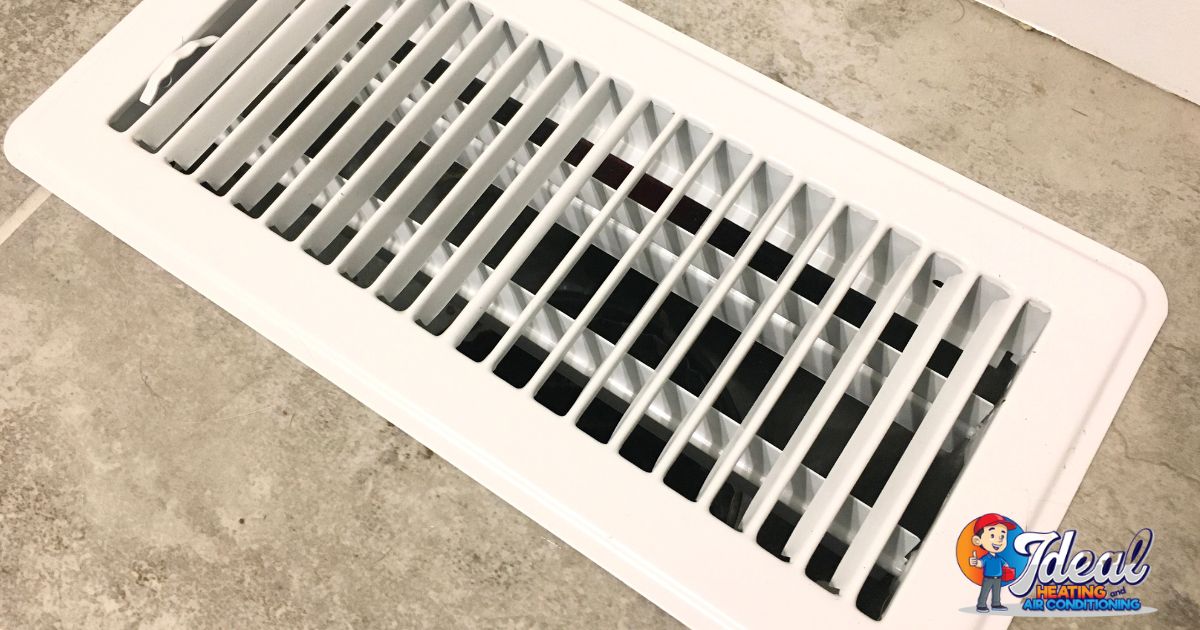
While professional HVAC assessment is often the best solution for persistent hot and cold spots, there are several simple steps you can take to improve comfort and airflow in the meantime. These small adjustments can help reduce minor uneven heating or cooling and make your home feel more comfortable.
Simple Steps You Can Try
If you’re experiencing minor temperature imbalances, consider these practical tips:
- Check vents for blockage to ensure that furniture, curtains, or other objects aren’t restricting airflow.
- Use fans strategically to help circulate air and balance temperatures between rooms.
- Adjust thermostat placement, if feasible, to a central location away from drafts, direct sunlight, or heat sources.
Taking these steps can sometimes improve comfort immediately and help your HVAC system operate more efficiently.
Emphasize Professional Assessment for Long-Term Solutions
While these actions can be helpful, long-term resolution often requires professional expertise. Consider the following:
- Schedule a professional HVAC inspection to identify duct issues, airflow imbalances, or system inefficiencies.
- Have insulation checked and improved if needed to prevent heat loss or gain that contributes to uneven temperatures.
- Seek recommendations for system maintenance or upgrades to ensure consistent comfort throughout your home.
By combining simple at-home adjustments with professional assessment, you can restore even heating and cooling, improve energy efficiency, and ensure a comfortable living environment for the long term.
Take the First Step Toward Consistent Comfort


Uneven heating or cooling can make your home uncomfortable, increase energy costs, and put extra strain on your HVAC system. By understanding the common causes, recognizing the signs, and taking simple steps at home, you can improve comfort in the short term.
For long-term solutions, a professional HVAC assessment is the most effective way to identify the root cause of hot and cold spots and restore balanced temperatures throughout your home.
Contact Ideal Heating & Air Conditioning today to schedule an inspection and ensure your home stays comfortable, energy-efficient, and evenly heated or cooled all year round.